


Policy Dialogue on Farmer-Led Research for Climate-Smart Food Systems
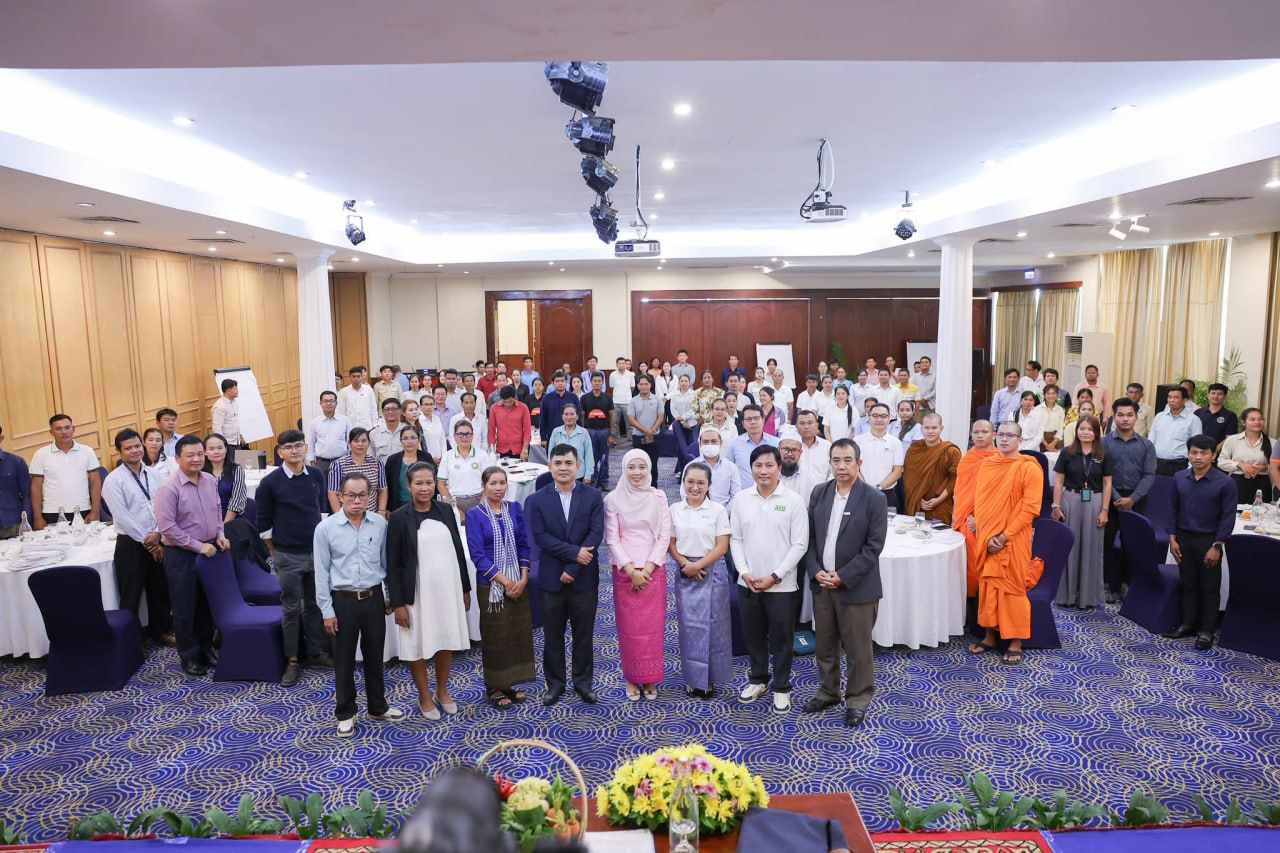
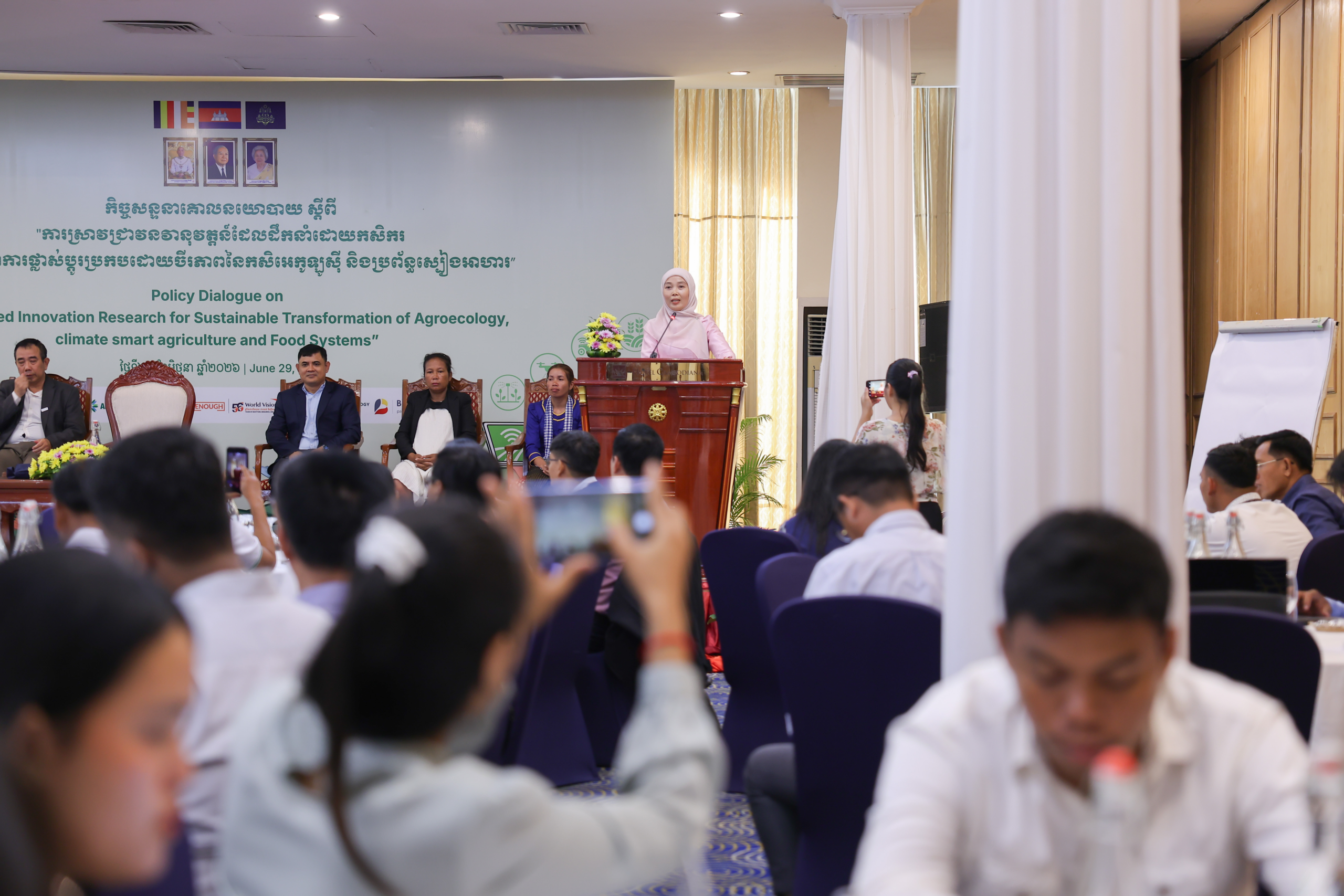
[29 June 2026, Phnom Penh] To accelerate the transition toward more resilient and sustainable food systems, the Agroecology Learning Alliance in Southeast Asia (ALiSEA), in collaboration with CamboDHRRA, Action for Development Organization (AFD), and World Vision International Cambodia (WVI-C), co-organized a national policy dialogue on “Farmer-Led Innovation Research to Accelerate Sustainable Transformation of Agroecology and Food Systems.” This event was led by CamboDHRRA. The event brought together 123 key actors across the agricultural ecosystem to bridge the gap between local field innovations and national policy development.
A Multi-Stakeholder Platform for Actionable Change
The primary goal of this policy dialogue was to establish an inclusive, collaborative space for stakeholders to share knowledge, real-world experiences, and key lessons learned from participatory, farmer-led research. By gathering farmers, agricultural communities, policymakers, research institutions, civil society organizations (CSOs), and development partners under one roof, the event fostered critical discussions on how agroecology can serve as a powerful catalyst for change in Cambodia.
Placing Farmers at the Center of Research & Policy
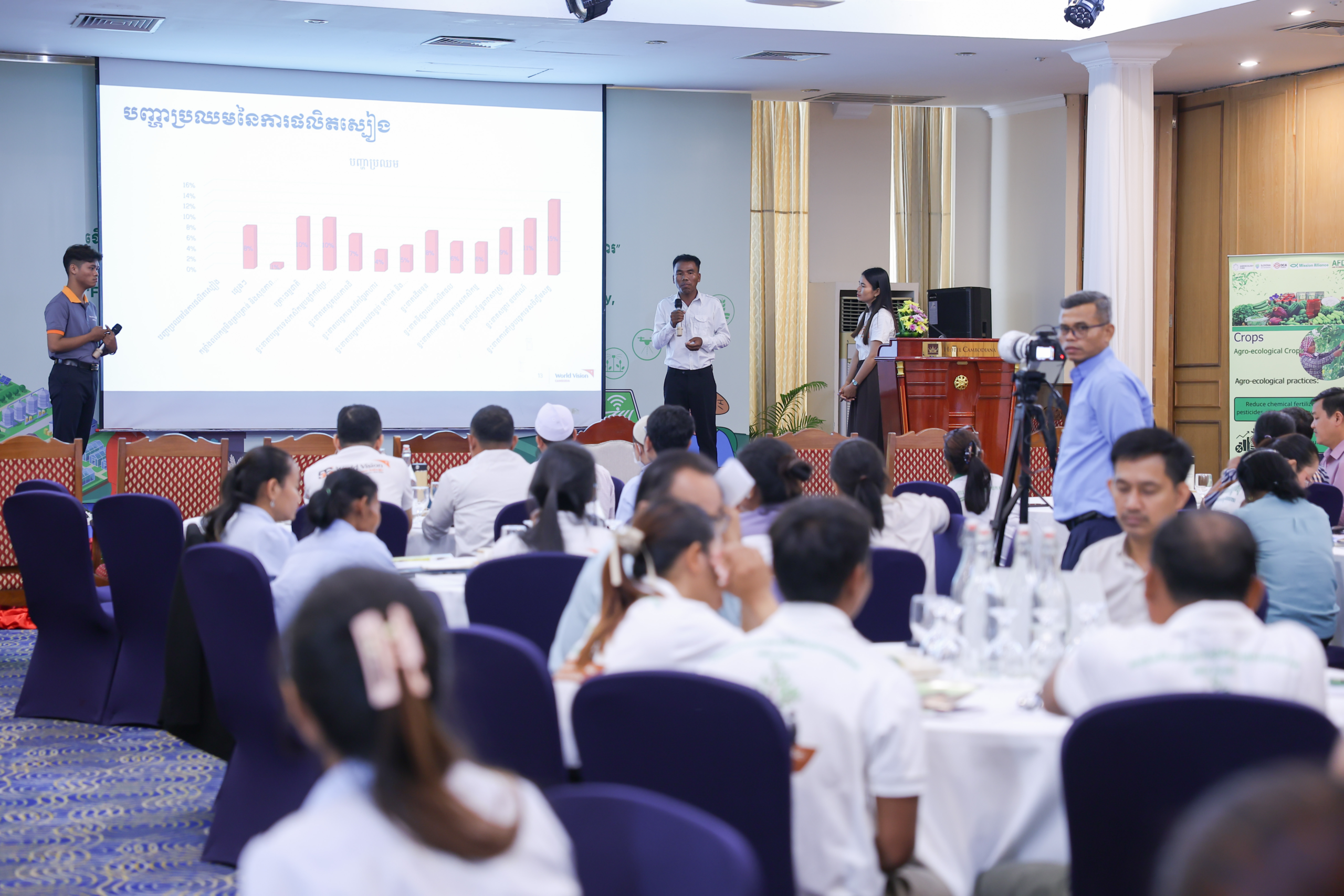
For too long, agricultural research has operated top-down. This policy dialogue shifted the narrative by highlighting the profound value of farmer-led innovation. Smallholder farmers, who are on the frontlines of climate change and economic pressure, were given a platform to showcase their locally developed solutions, practical experiments, and traditional knowledge. Ensuring that these grass-root insights inform high-level decision-making is vital for crafting realistic, effective, and sustainable agricultural policies in Cambodia.
Knowledge Sharing & Evidence-Based Insights and ALiSEA’s Commitment
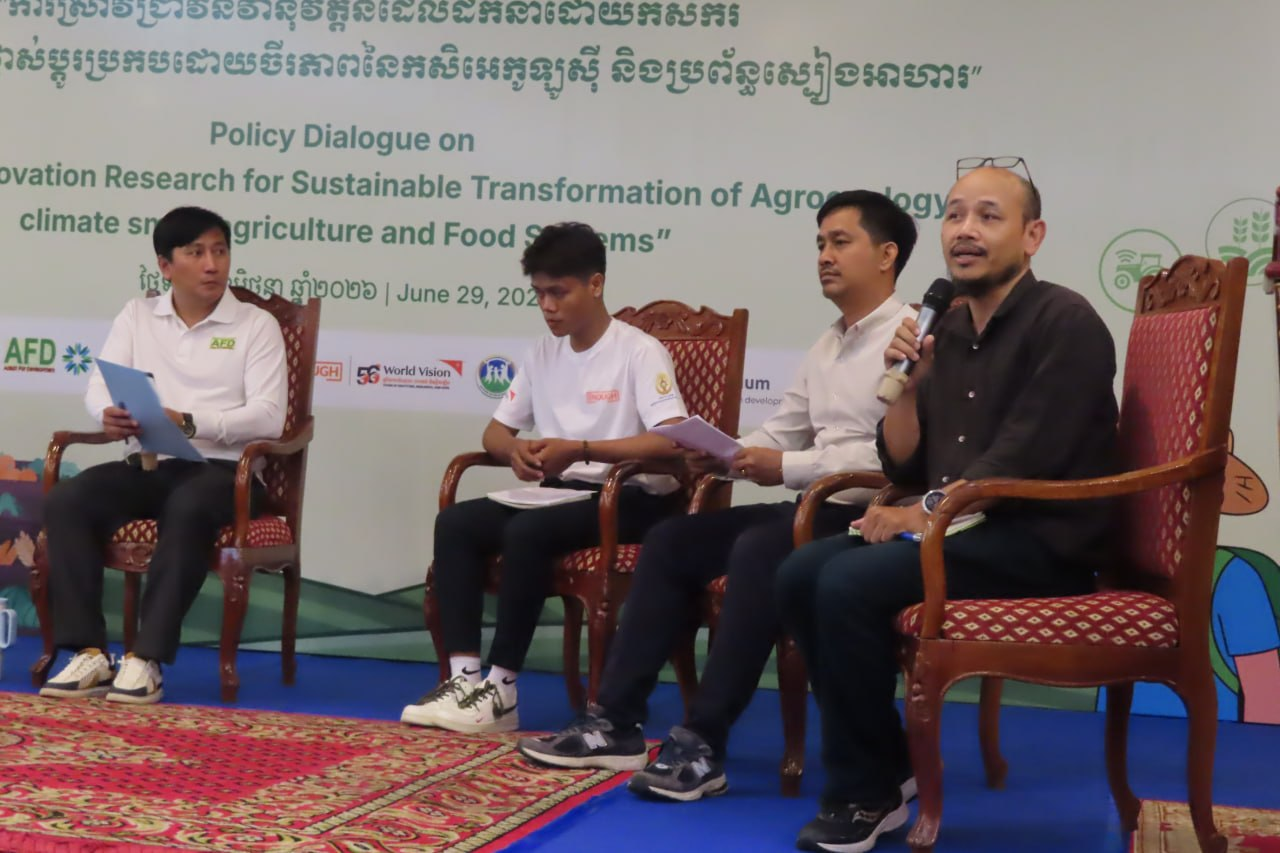
During the panel discussion, Mr. Hou Sorith, ALiSEA knowledge management coordinator and director of ECOLAND, highlighted the critical process of gathering field-based knowledge to produce evidence-backed documents that directly inform policymakers and support widespread knowledge sharing. He also emphasized the essential role of women and youth in driving the agroecology transition, stressing that their active inclusion and leadership are crucial for building equitable and long-term sustainable food systems.
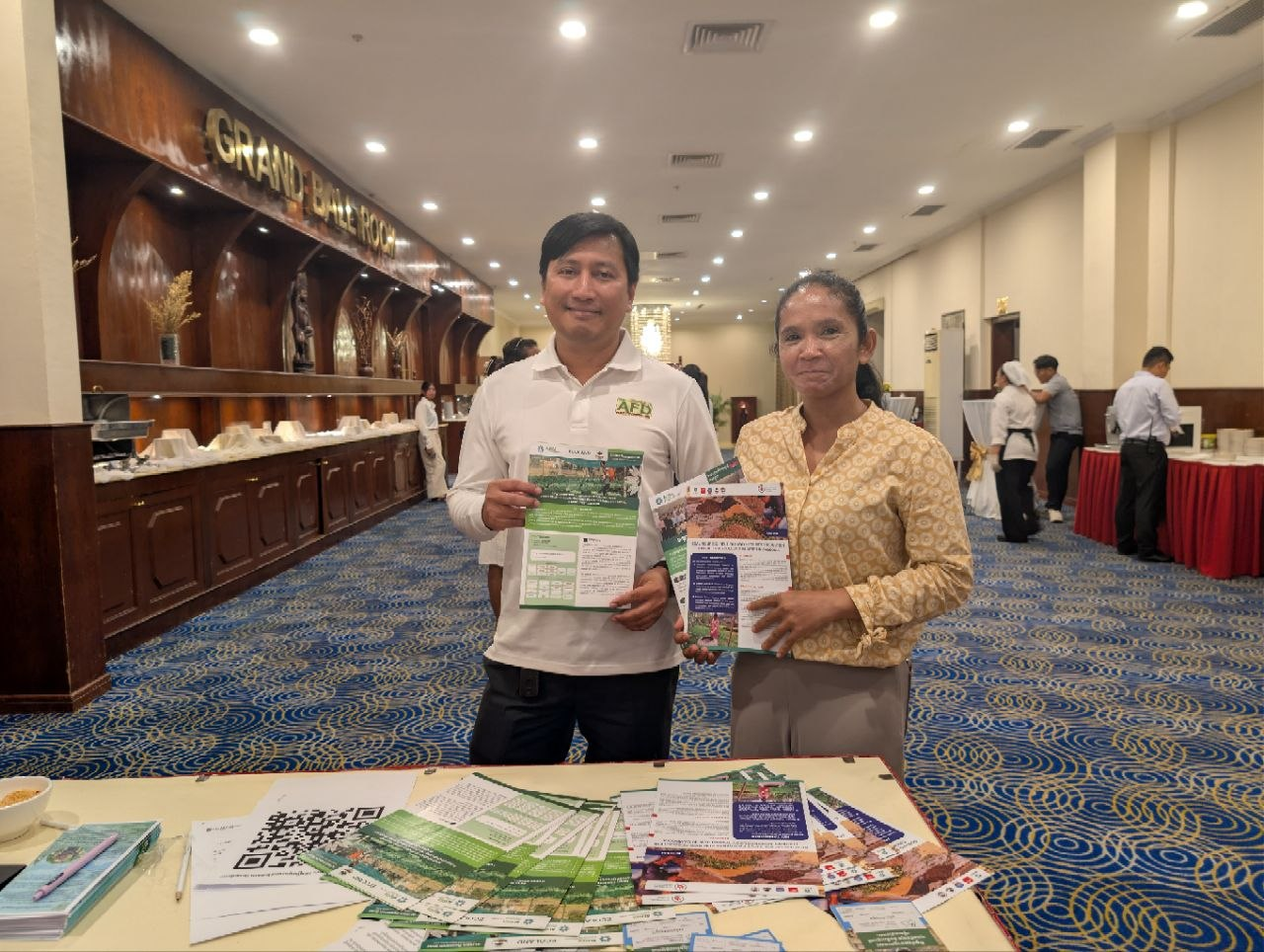
Moreover, ALiSEA introduced and distributed several key publications during the dialogue.
- ALiSEA Policy Brief: Outlining strategic recommendations for policymakers to integrate agroecology into national frameworks.
- Research Brief: Highlighting empirical findings and field data from participatory farmer-led research initiatives.
- Technical Leaflets: Offering practical, step-by-step guidance on sustainable agricultural practices for practitioners and development workers on the ground.
These publications ensure that the evidence generated at the farm level directly informs higher-level strategy, research, and field implementation.