



ASSET Regional Final Workshop: 5 Years of Agroecology Achievements
Prepared by Chanraksmey, Soutima, Trang Nguyen (ALiSEA National Secretary of Cambodia, Laos, Viet Nam)
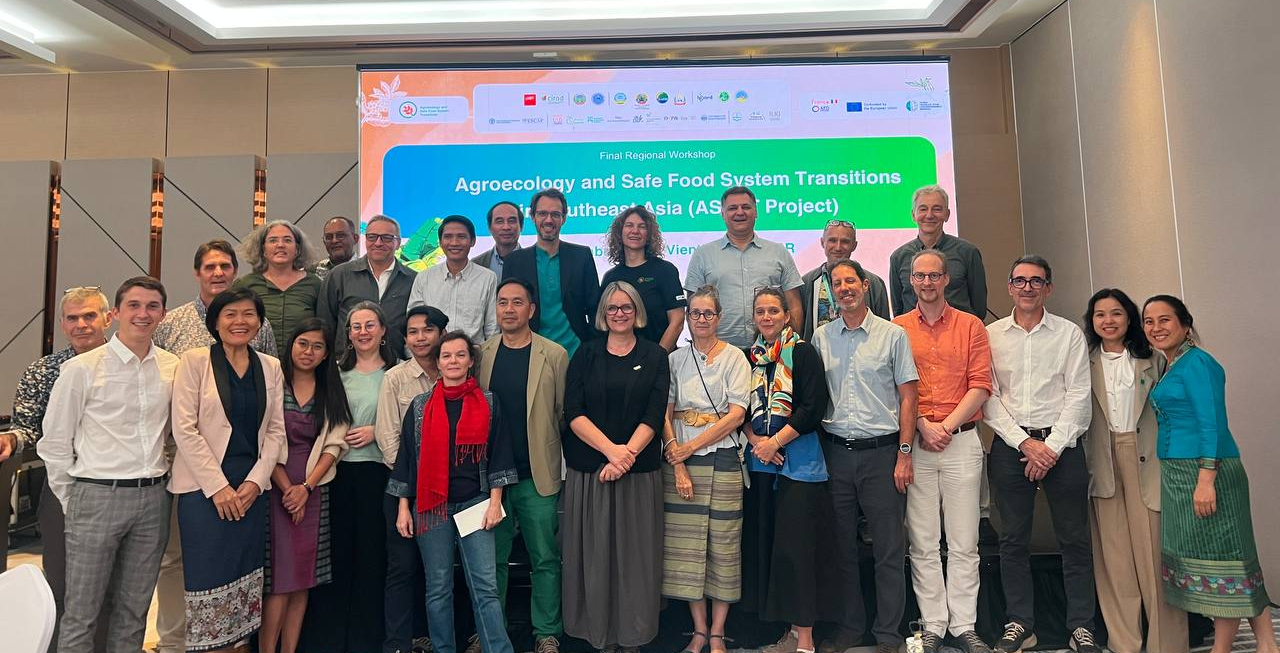
28 November 2025 – Vientiane, Laos: The ASSET Regional Final Workshop brought together 75 people (20 women) and partners from across Southeast Asia to celebrate a significant milestone: five years of collaborative research, innovation, and field implementation to advance agroecological transitions. This event was held on 28 November 2025, in Vientiane, Lao PDR. The event provided a crucial platform for reflection, exchange, and forward-looking dialogue among project partners working across diverse countries, locations, and areas of expertise.
Throughout the workshop, ASSET partners highlighted the major achievements, lessons learned, and remaining knowledge gaps emerging from flagship participatory action research programs. A central theme of the discussions was co-designing technical, organizational, and institutional innovations, as well as identifying effective scaling pathways for agroecology, along with their impacts, challenges, and opportunities.
Key insights included:
- Common farm-based agroecology transitions across flagship sites with different levels of scaling & integration in a participatory action research approach:
- Value chain-related promising & newly developed territorial-level approaches:
- Critical issues less addressed during ASSET: One health & downstream food system-related issue (linkage production / consumption): Animal-based food safety, ACP and pesticide reduction, and Agroecology and nutrition
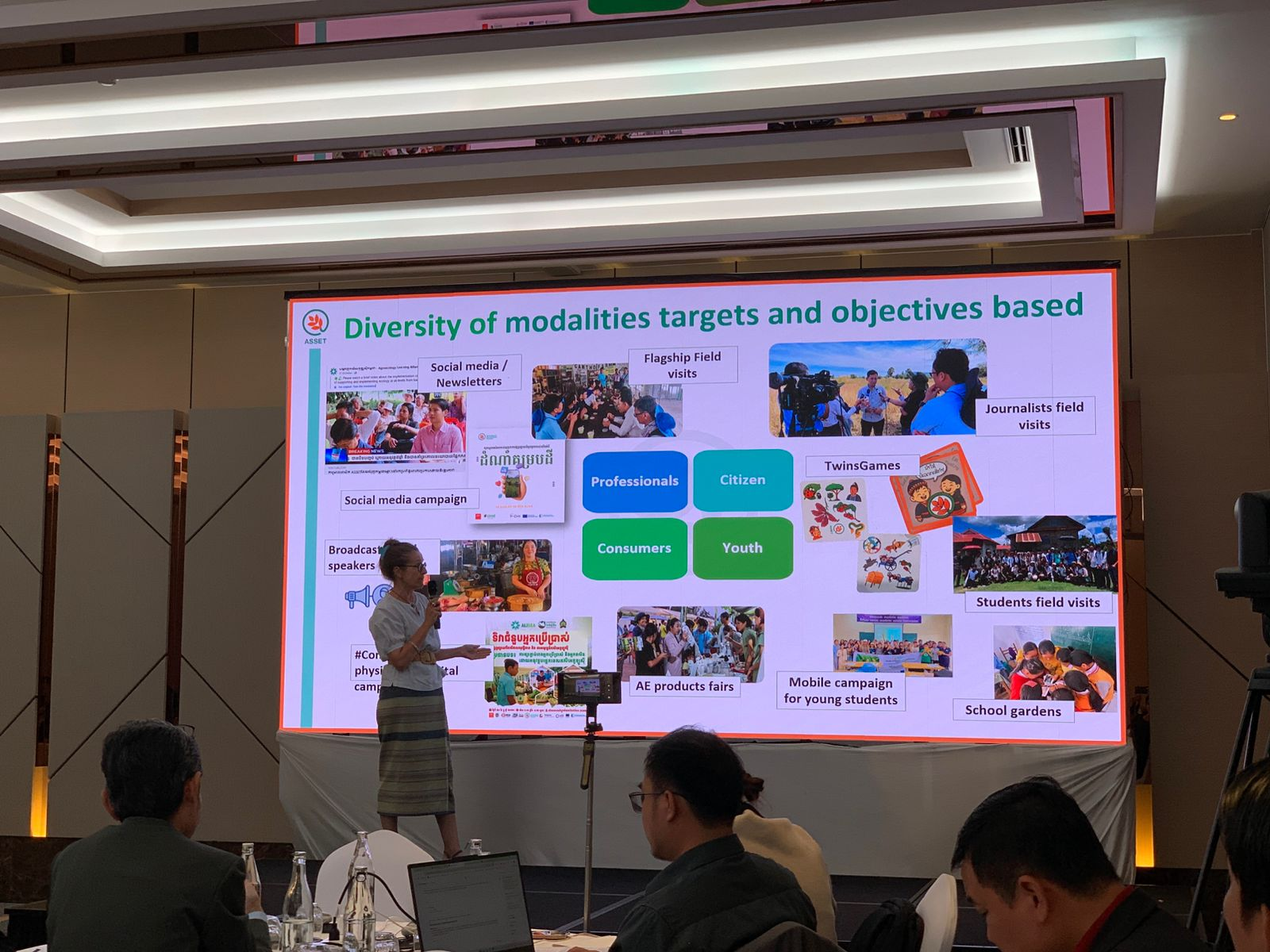
ALiSEA: Building on Achievements and Strategies Ahead
A major component of the workshop featured an update from ALiSEA (Agroecology Learning Alliance in Southeast Asia), the regional extension platform that enables actors across countries to exchange knowledge, share experiences, and strengthen agroecology movements.
Representing the Vietnam Academy of Agricultural Sciences (VAAS), Dr. Mai Van Hao affirmed Vietnam’s firm commitment to the regional agroecological transition, driven significantly by the ASSET project. VAAS highlighted the key achievement of strengthening scientific evidence and field-based innovation through agroecological pilot models. These innovations delivered remarkable, quantitative results, including a 50% increase in household profit, a 55% reduction in irrigation water, and a reduction of over 1.5 tons of CO₂ emissions per hectare annually. Recognizing the vital role of knowledge sharing, VAAS emphasized the importance of the ALiSEA Network as a crucial platform for exchanging agroecology experience across the Mekong region. Vietnam looks forward to continued close cooperation to scale up these green, resilient, and sustainable agri-food systems.
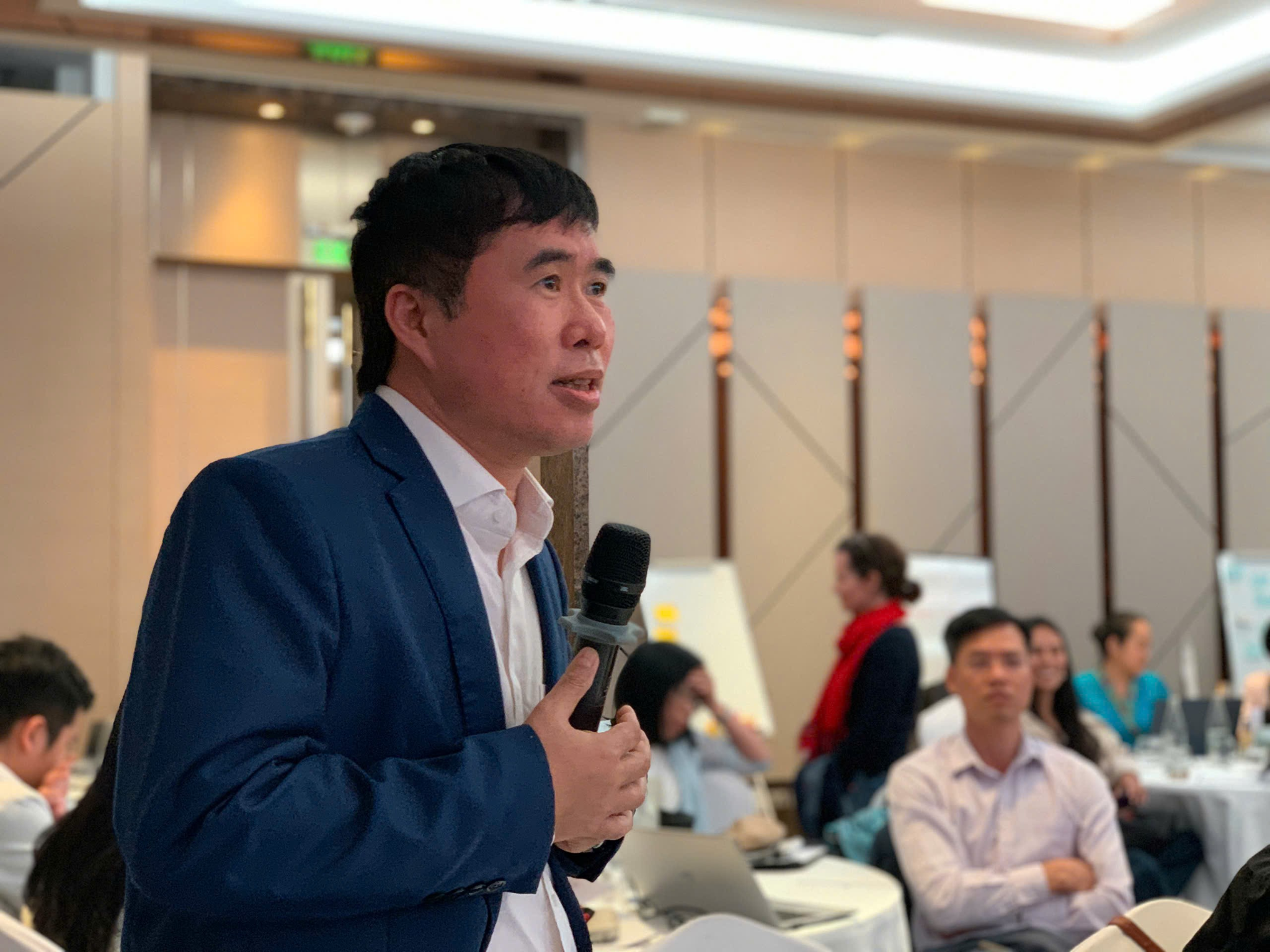
Dr. Vu Hoang Quang, Deputy of ISPAE, Ministry of Agriculture and Environment
Dr. Vu Hoang Quang, ISPAE, MAE, highlighted that while Vietnam possesses numerous policies promoting sustainable and organic agriculture, a critical gap remains in the strategic planning and guidance for specific agroecological zones. He noted the recent translation of the ASEAN Guidelines for Agroecology (AE) into Vietnamese and emphasized their efforts to promote the sharing of these guidelines at all levels. This work underscores a long-term pathway for Vietnam, striving toward an agroecological system underpinned by civilized rural areas and modern farmers. From a policy standpoint, it’s necessary to establish mechanisms and support structures that enable young people and youth groups to actively contribute to the agroecological movement.
The ALiSEA Knowledge Hub: A Lasting Achievement
One of the most sustainable outcomes emerging from the ASSET project is the ALiSEA Knowledge Hub, now recognized as the region’s gateway to agroecology insights. The platform serves as a dynamic space for knowledge sharing, networking, learning exchanges, and documentation of innovations and best practices.
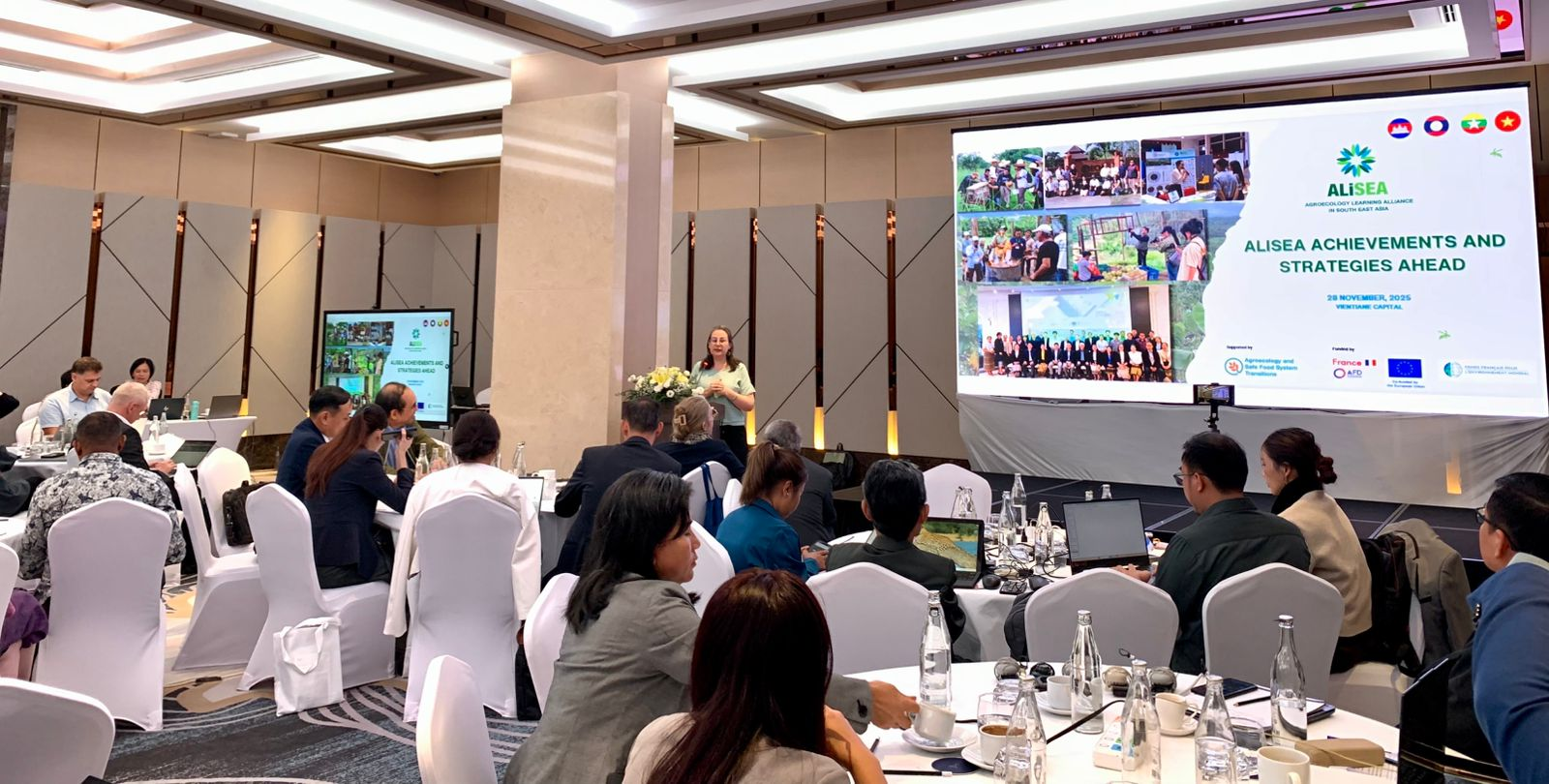
Ms. Lucie Reynaud, Regional Coordinator of ALiSEA, emphasized its strategic directions for the next program cycle and beyond, building on the foundation support from ASSET. On behalf of the ALiSEA team, she expressed deep gratitude to the ASSET project for its support and for helping activate and strengthen the platform over the past five years. ASSET’s investment has contributed significantly to scaling agroecology promotion, improving adoption, and energizing regional collaboration. In Cambodia, special appreciation was extended to Uni4Coop for its dedicated support to ALiSEA’s national activities, ensuring the network remains engaged.
In conclusion, the ASSET Final Workshop marked not just the end of a project but the continuation of a regional movement. With strengthened partnerships, consolidated knowledge, and renewed strategies through ALiSEA to advance agroecology transition.