


Participatory Guarantee Systems (PGS) in Community
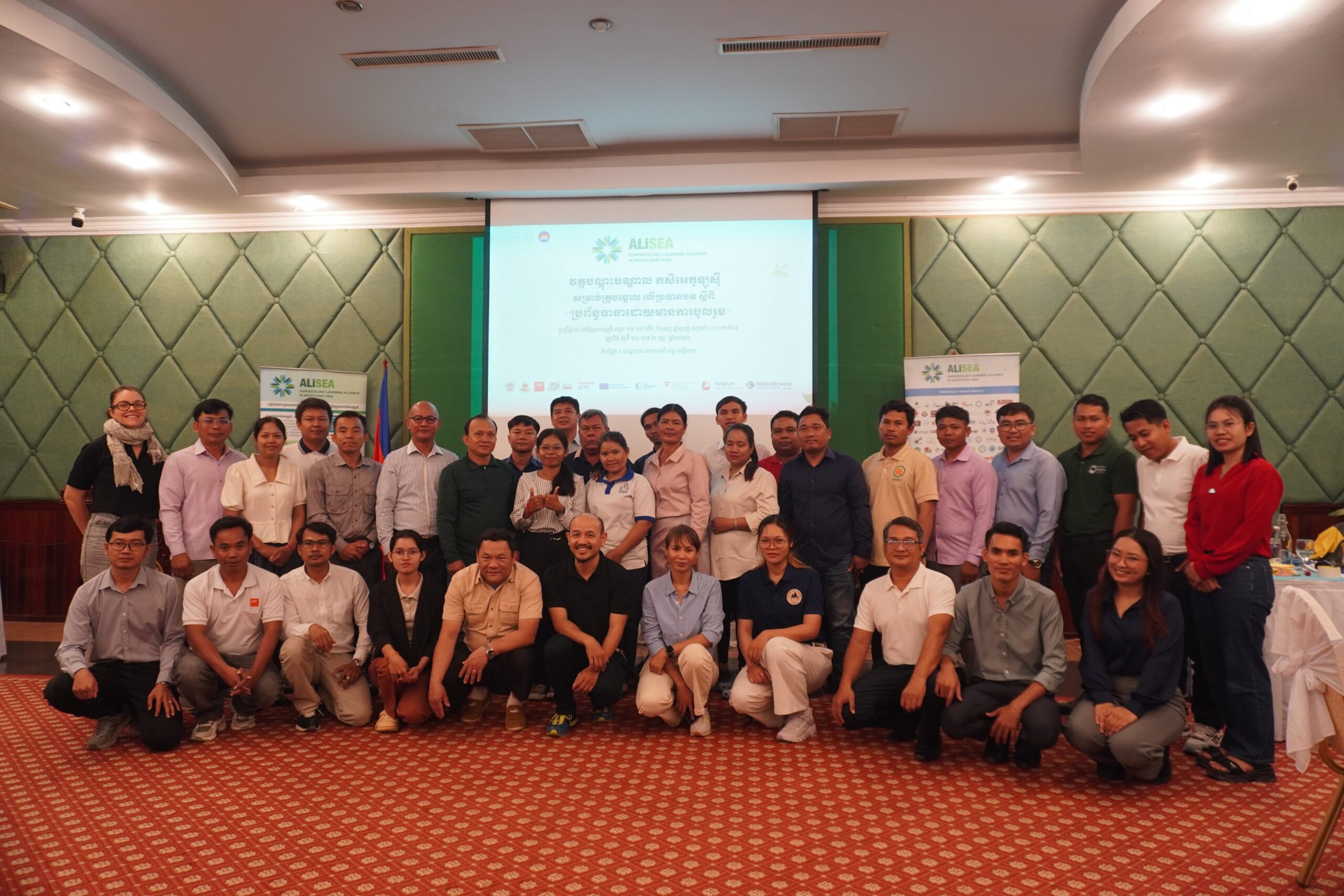
A collaborative co-creation between ALiSEA and GRET’s TETARD Project in organizing the 2-day training on Participatory Guarantee Systems (PGS).
This training strengthened the understanding that PGS is not only a certification system, but it is also a community-driven approach built on trust, transparency, and active participation.
A total of 42 participants (including 16 women) actively joined the two-day training and field visit, strengthening knowledge exchange and community-based PGS certification practices. The training incorporated several methods, including presentation, roleplay, group discussions, and group work. The roleplay, highlighting the differences between third-party certification and PGS, enabled trainees to learn through observation and by comparing the two processes. This helped the trainees build their understanding of the PGS context and procedures in an engaging way.
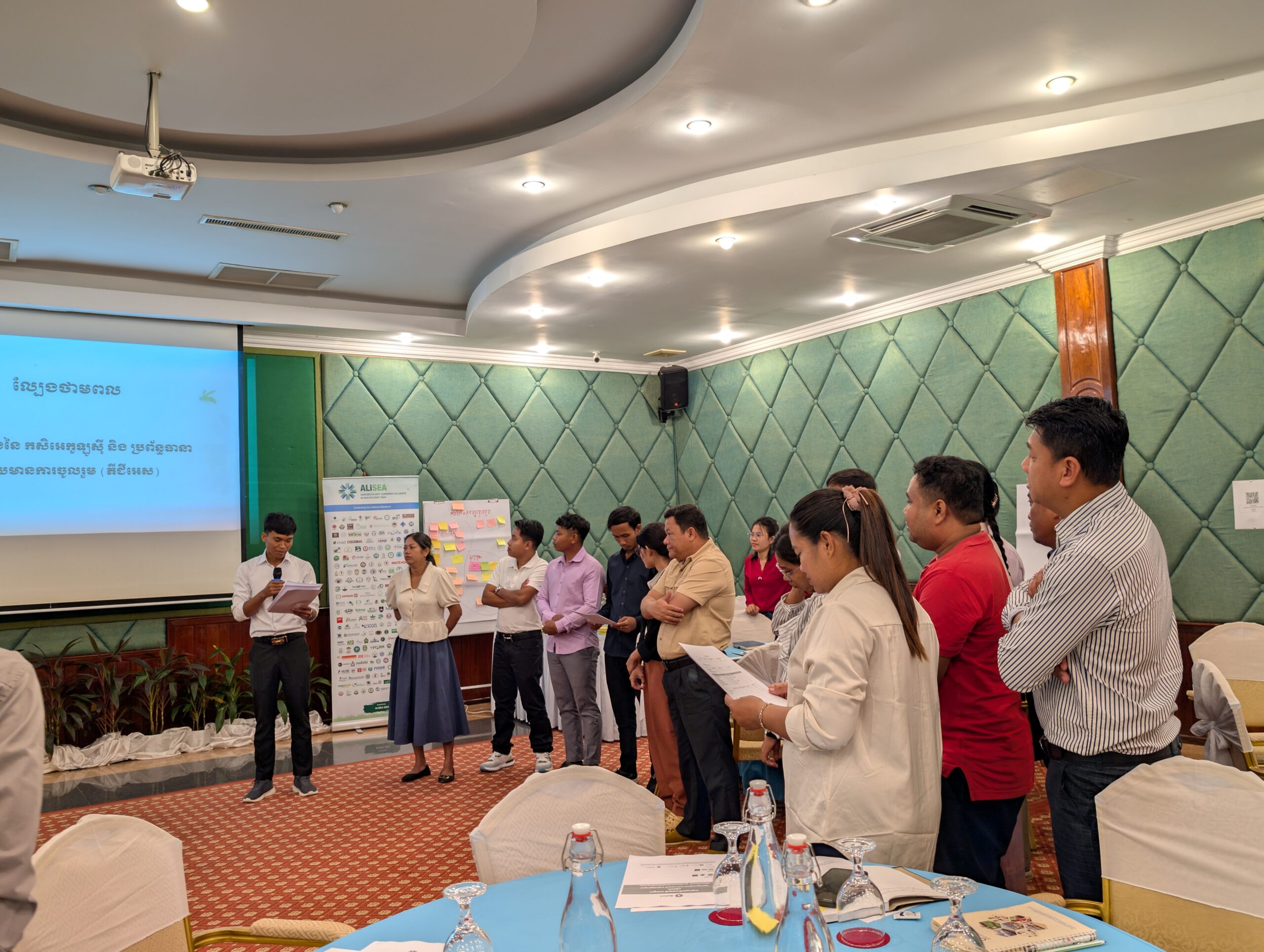
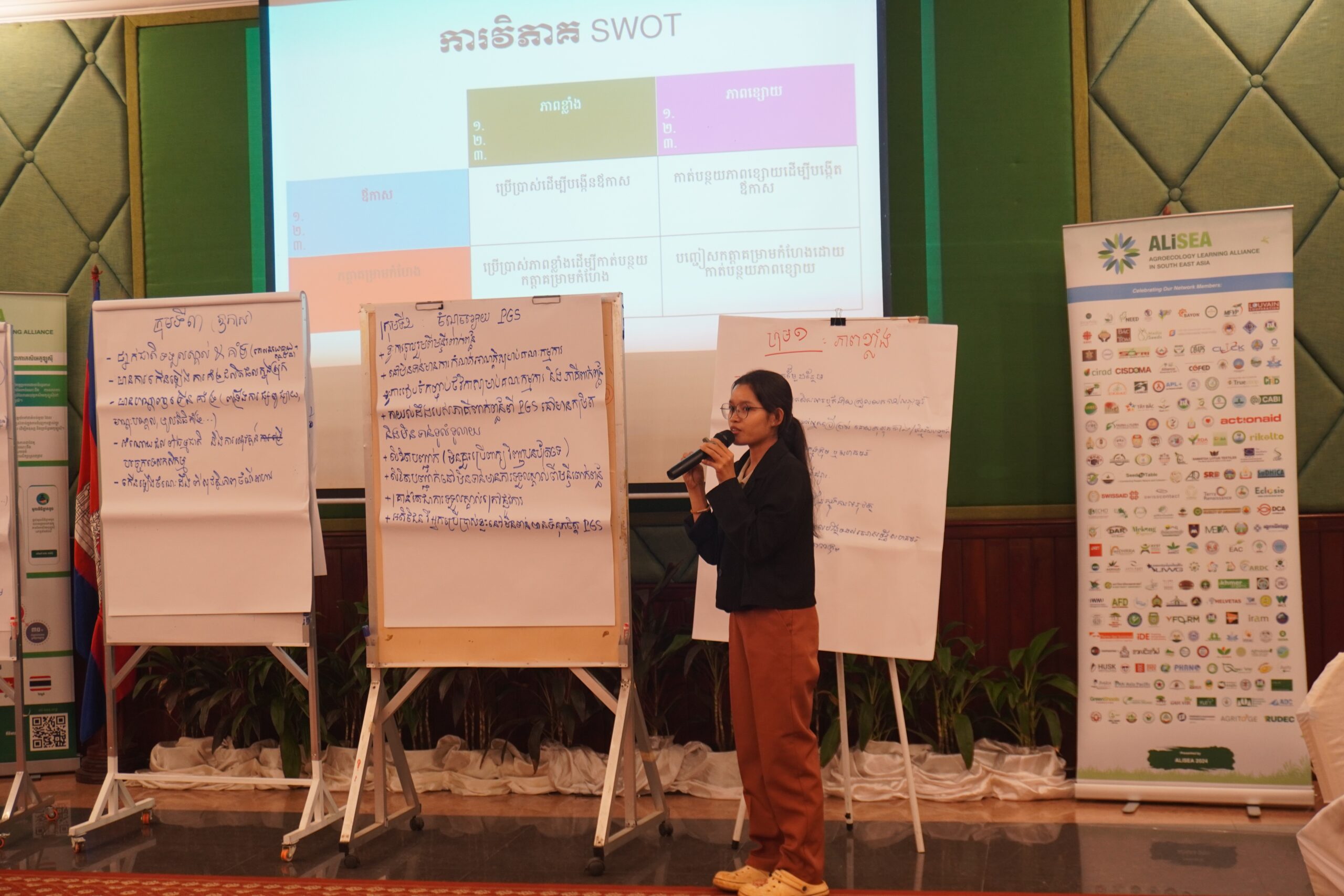
Additionally, group discussion used SWOT analysis to examine the strengths, weaknesses, opportunities, and threats related to adopting PGS within their communities or target areas. This encouraged critical thinking and allowed participants to assess the feasibility and potential impact of implementing PGS in their respective contexts.
The session also provided in-depth practical insights into how PGS works at the community level, based on the real experience of ECOFARM through the support of the TETARD project led by GRET with funding from Agence Française de Développement (AFD) and Hauts-de-Seine Department (CD92). It also integrated agroecology practices into the process.
Participants explored:
- The step-by-step PGS process in real practice
- The roles and responsibilities of key actors
- Governance and organizational structure of PGS
- The certification process within the PGS framework
Field Experience & Community Engagement
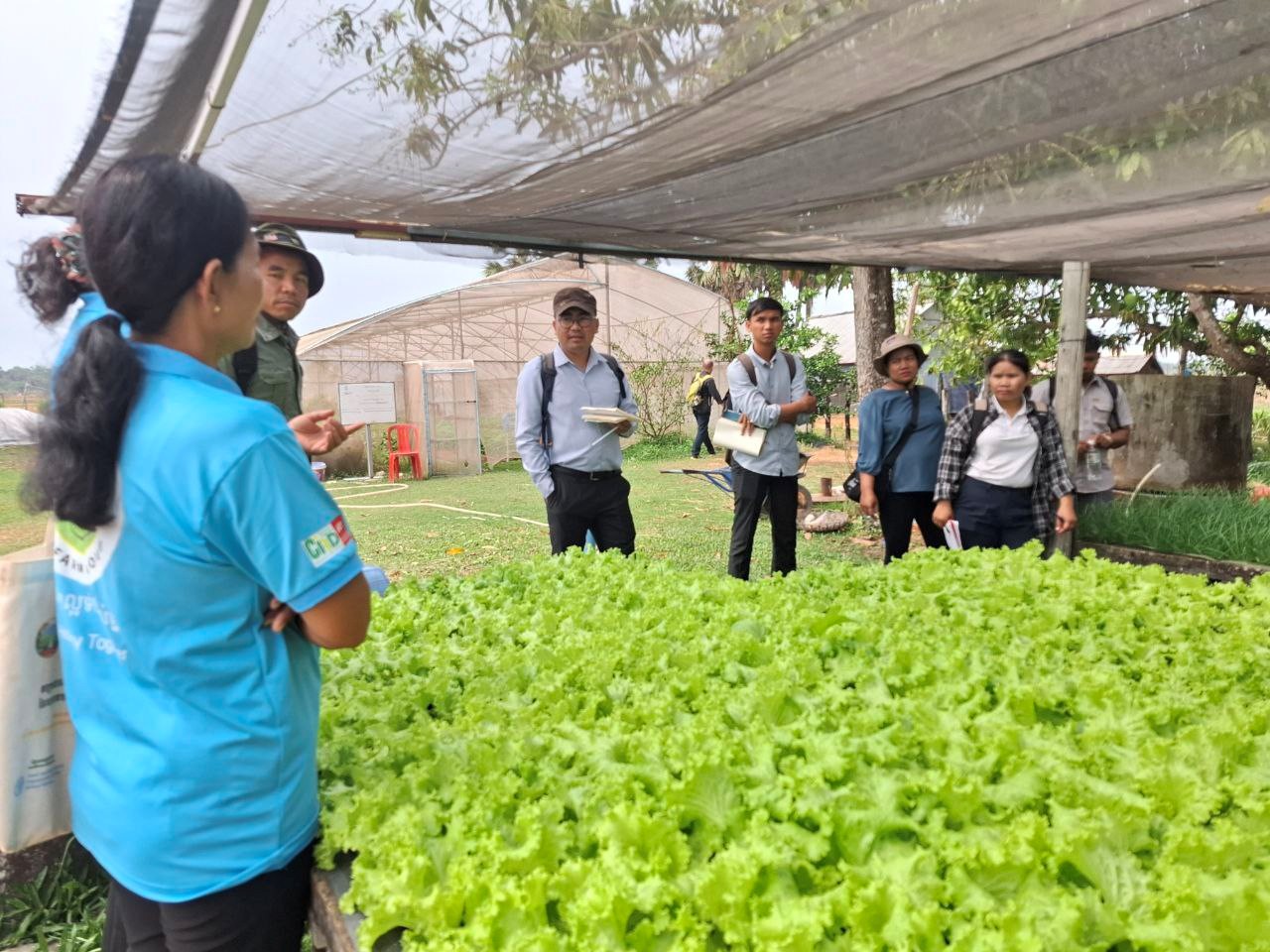
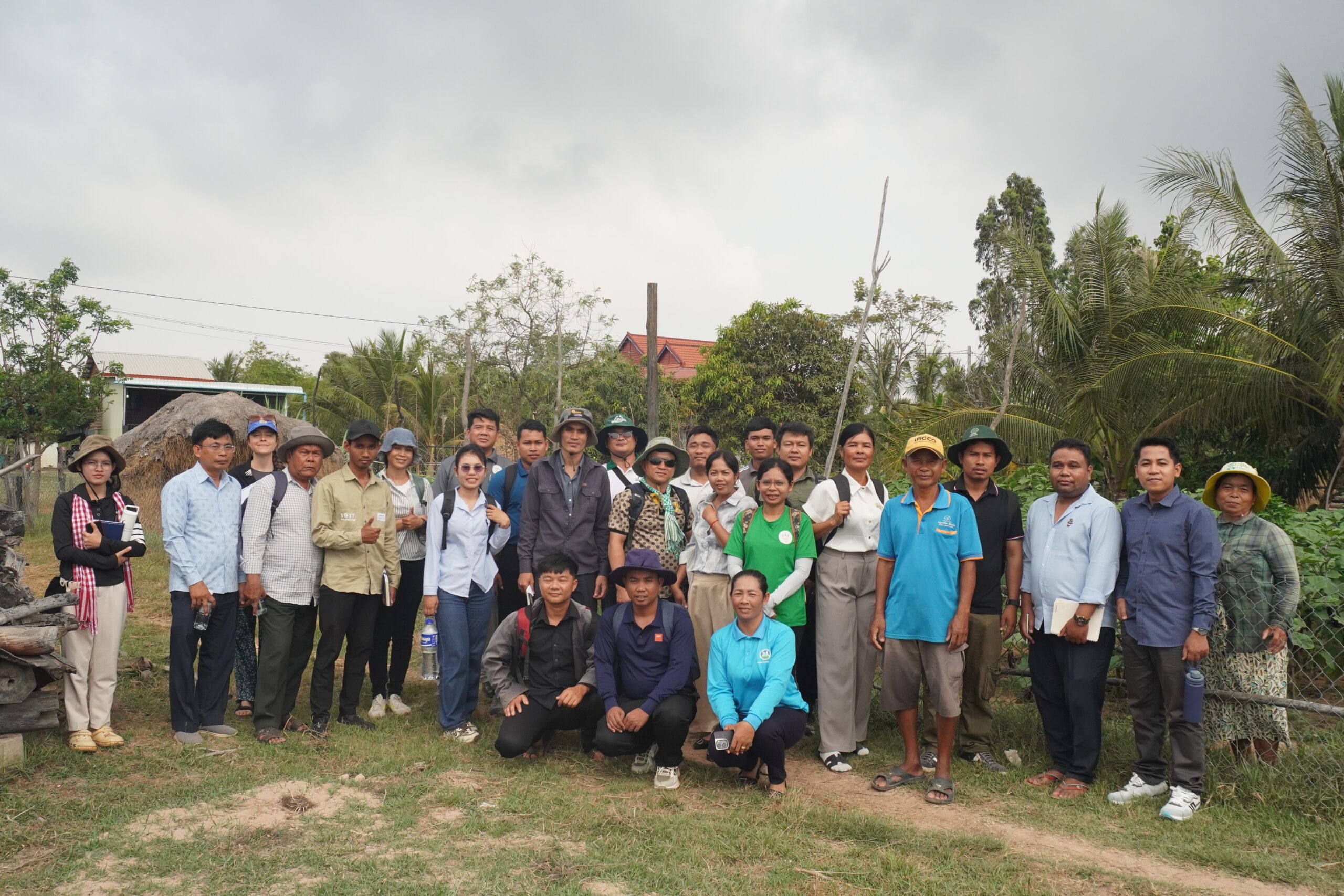
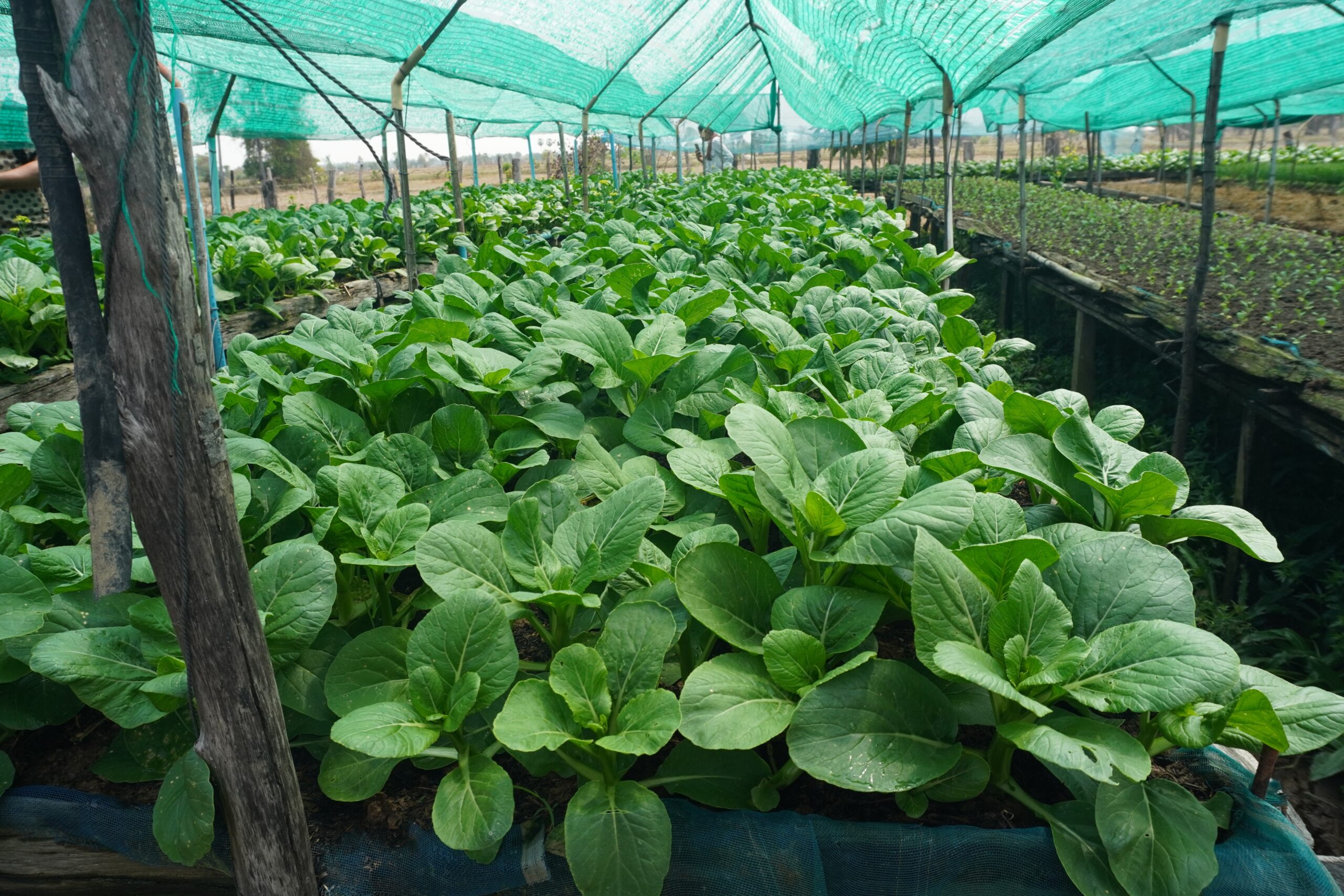
During the field visit on the second day, ECOFARM Agricultural Cooperative, supported by GRET, shared its experience on PGS implementation in the field from the process of forming PGS producers’ groups to PGS practical implementation at the community level. Then, participants engaged directly with farmers and producers to understand how farmers are following the quality standards and how the agricultural cooperative is assessing them. It was also the occasion to discuss the benefits that the PGS certification system is bringing to the community and the shared responsibilities in maintaining the standards.
At the end of the training, all participants visited the 19th Cambodian Products, Fruits, and Vegetables exhibition 2026 co-organized by the Ministry of Commerce and Siem Reap Provincial Administration in Siem Reap City. This fair, organized on a yearly basis, is a good occasion for the agricultural cooperatives supported by GRET to display their safe and local produce.
We sincerely thank the TETARD/GRET team for collaborating in sharing their experience on PGS, ECOLAND for the facilitating session, and ECOFARM for hosting the field visit. This activity is coordinated by DPA, ALiSEA National Secretariat, under the support of Uni4Coop.