



ALiSEA Vietnam hosted a Thematic Webinar on Reducing Pesticide Use in Agriculture
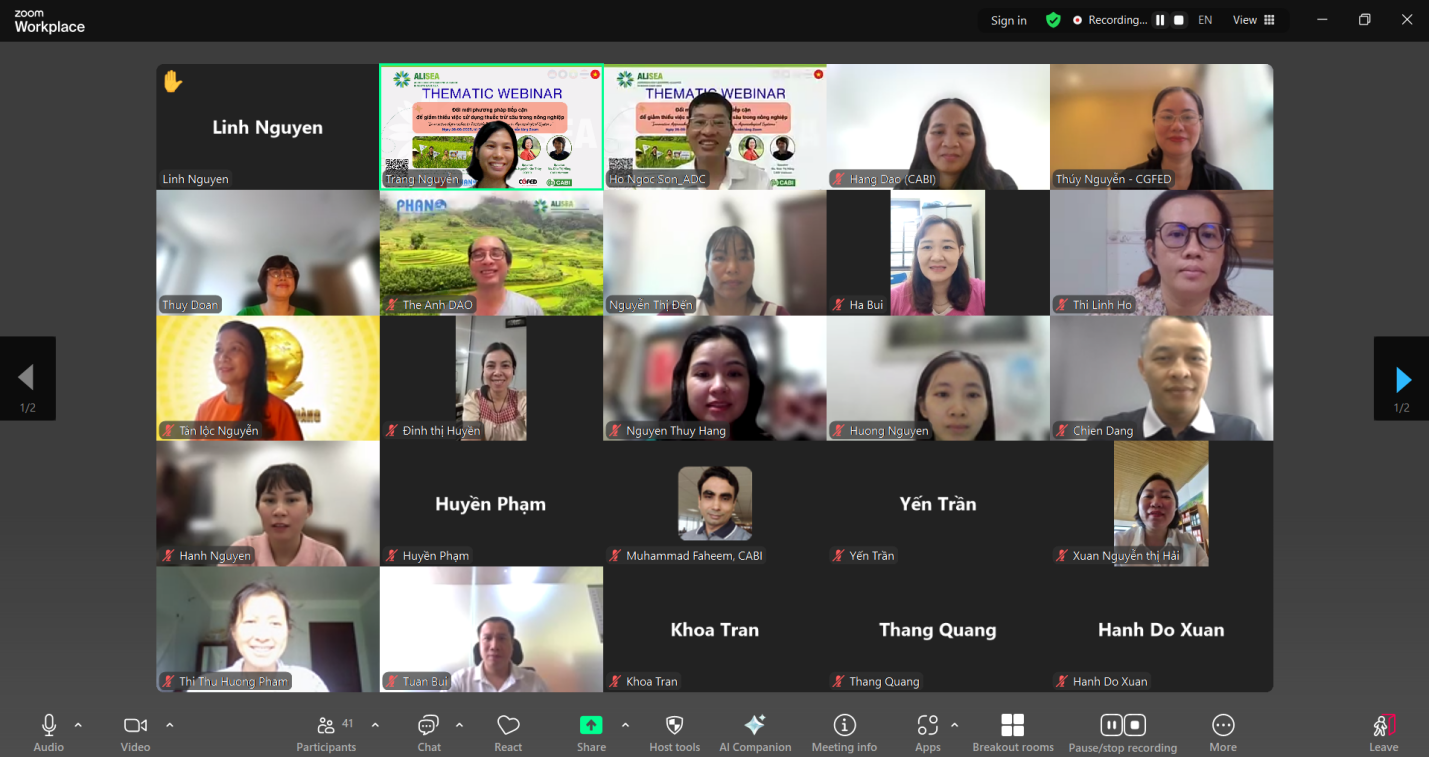
On August 26, 2025, ALiSEA Vietnam successfully organized a thematic online webinar titled “Innovative Approaches to Reducing Pesticide Use in Agricultural Systems.” The event, held via Zoom, brought together around 45 participants (30 women and 15 men) from within and beyond the ALiSEA network, including universities, NGOs, farmer organizations, development practitioners, and agroecology experts.
This webinar was organized under the ASSET project (Agroecology and Safe Food System Transitions), funded by the French Development Agency (AFD) and implemented by GRET and the partners, with ALiSEA as a key component to foster knowledge sharing and peer learning across Southeast Asia.
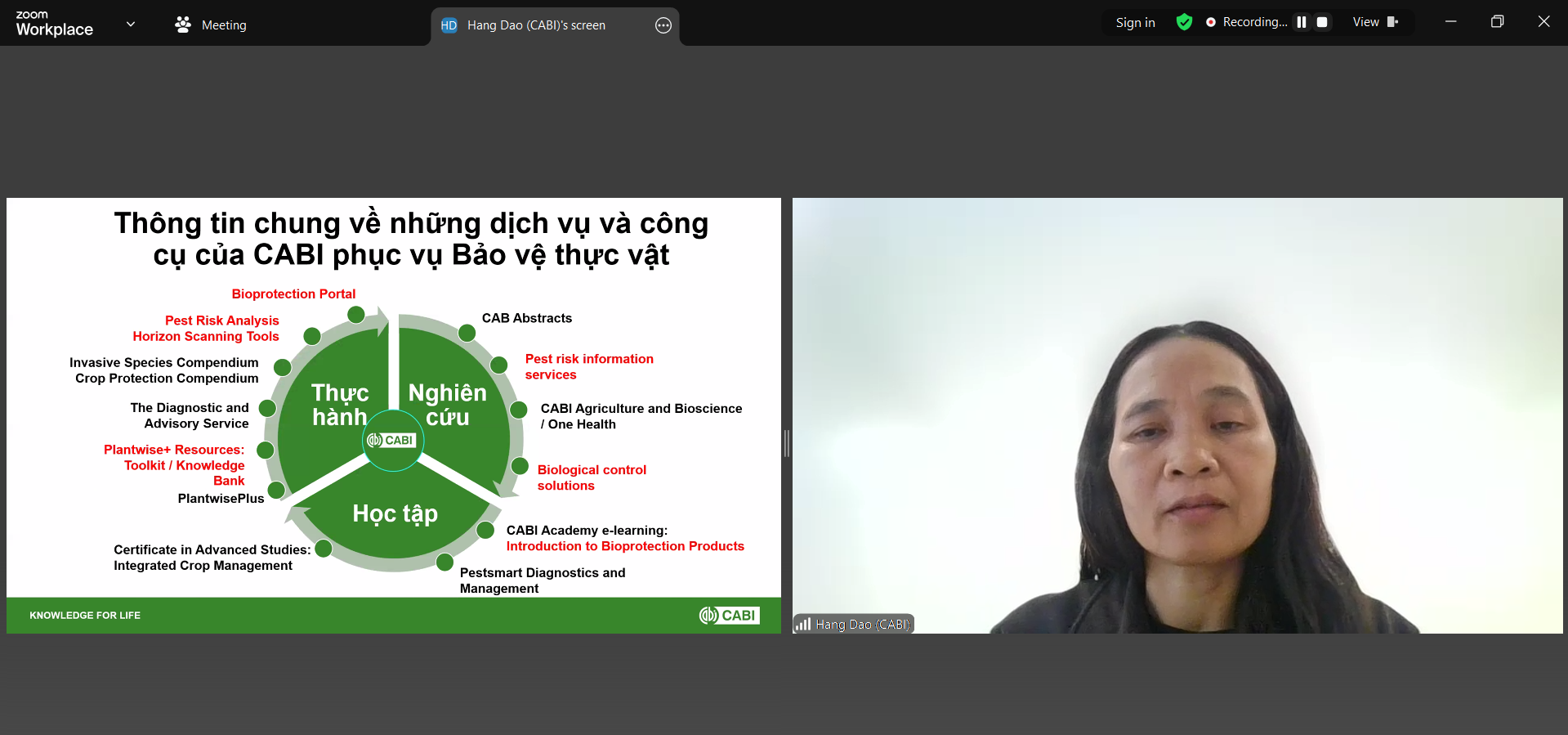
Co-hosted by ADC and PHANO, the webinar featured presentations from two ALiSEA members: the Center for Gender, Family and Environment in Development (CGFED) and CABI. Ms. Nguyễn Kim Thúy (CGFED) shared community-based approaches to reducing pesticide use and promoting agroecology, with contributions from farmers in Nam Định and Ninh Bình highlighting household- and community-level practices to minimize reliance on pesticides. Ms. Đào Thị Hằng (CABI Vietnam) introduced practical tools and digital resources to support the effective adoption of biological control methods in Vietnam.

The ensuing discussion was lively and solutions-oriented. Rikolto reflected on its journey accompanying cooperatives in agroecological transitions and market linkages. Mr. Chiến Đặng (RUDEC) emphasized a behavioral approach to pesticide use: “Current market signals reward appearance and cosmetic quality, so residue safety has yet to become a strong driver of change. Many farmers underestimate risks, lack record-keeping and monitoring tools, and tend to comply with only some requirements (e.g., water volume, pre-harvest interval) while overlooking others that are harder to implement. In export chains, farmers often do not receive residue feedback to adjust practices—a critical bottleneck. In domestic markets, chemical residues remain a low priority for producers because most channels and buyers do not demand it.”
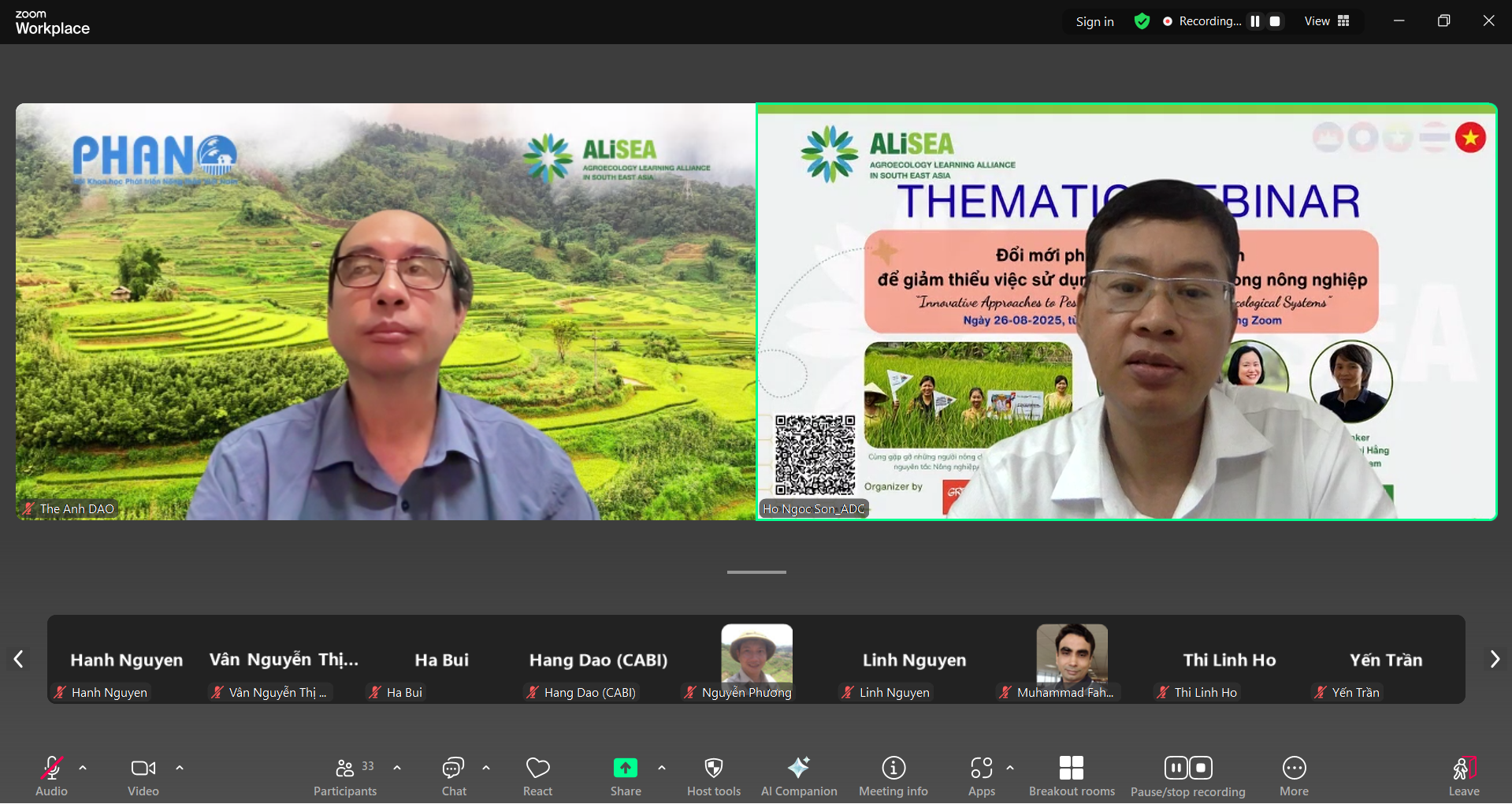
In closing, the ALiSEA Vietnam National Secretary reaffirmed the network’s commitment to supporting members in advancing safe, sustainable, and scalable agroecological practices, contributing to resilient and sustainable food systems in Vietnam and the wider region.
The recorded video is available to watch below