



ALiSEA Enhances Agroecology Knowledge Exchange in Vietnam
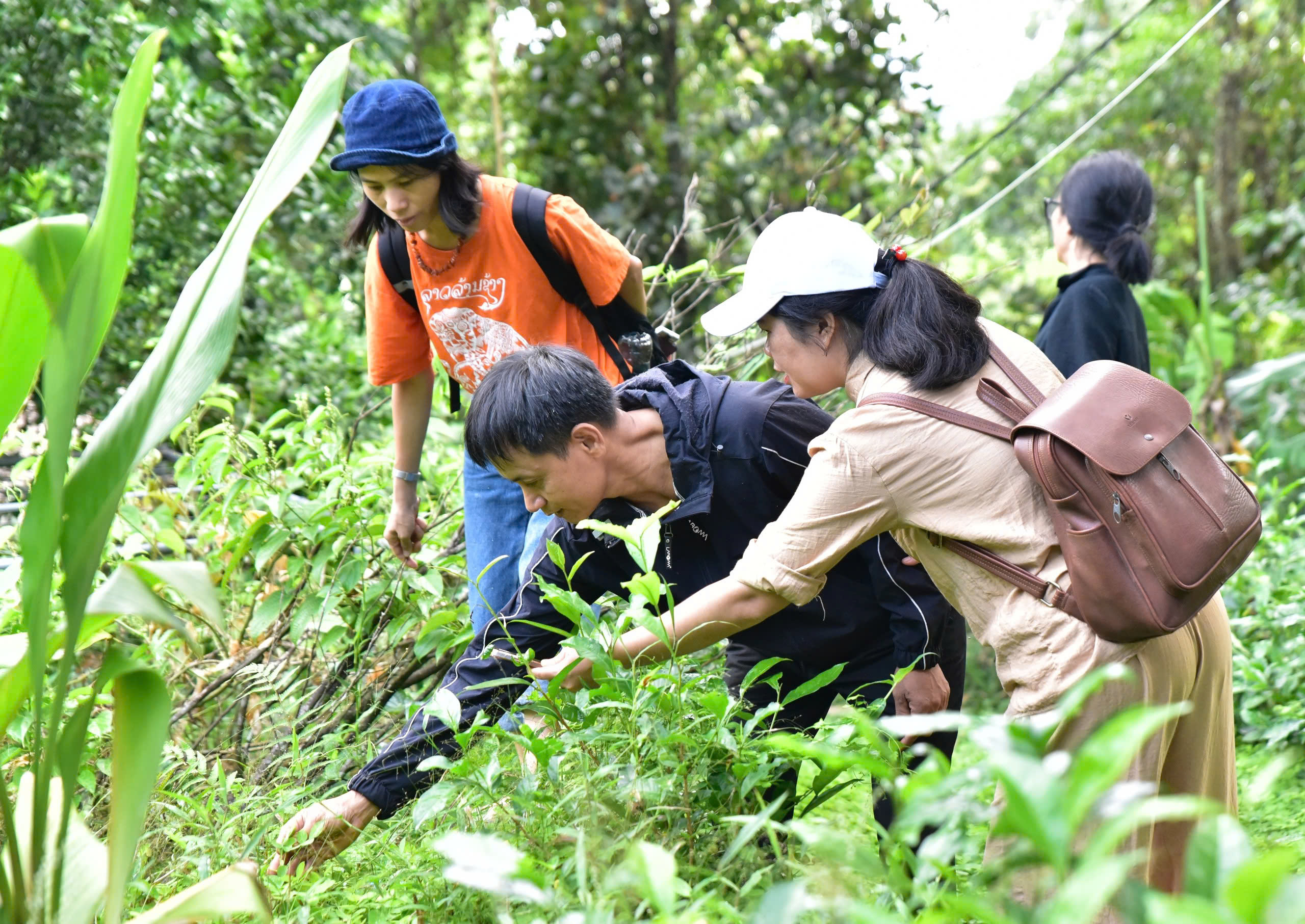
From 10 to 12 October 2025, over three days and across two key field sites, the visit organized by ALiSEA Vietnam brought together diverse voices and experiences—weaving knowledge, practice, and a shared commitment to advancing agroecology.

The program brought together members of the ALiSEA network and media representatives to enhance learning, foster collaboration, and promote the dissemination of agroecological practices across Vietnam.
During the visit, participants visited the Phu Quy Fruit and Industrial Crop Research Center, under the Agricultural Science Institute for North Central Vietnam (ASINCV), in Nghe An province, and the Human Ecology Practice Area (HEPA) in Ha Tinh province—two sites that demonstrate the integration of scientific research and local knowledge in agroecological practice.
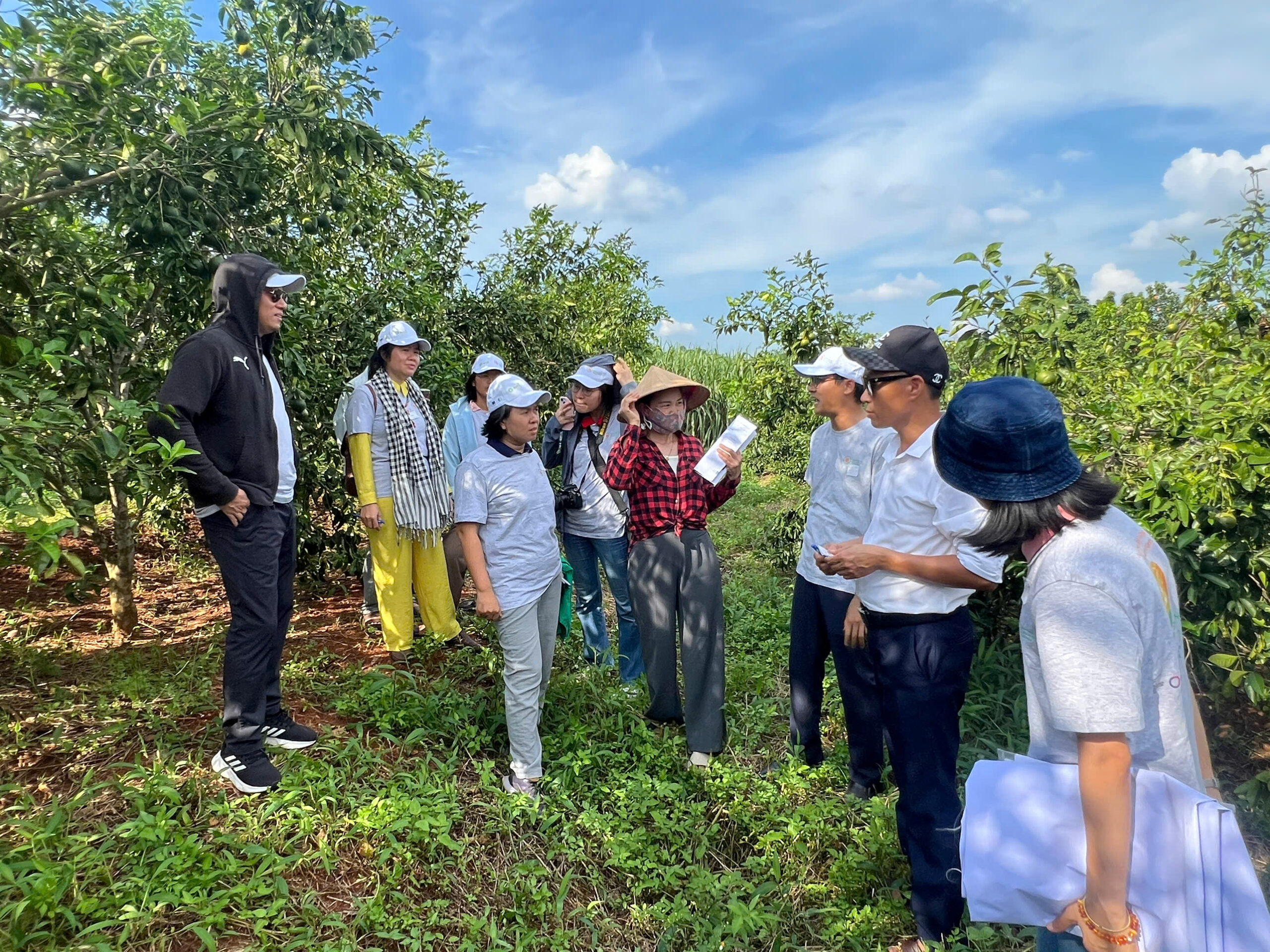
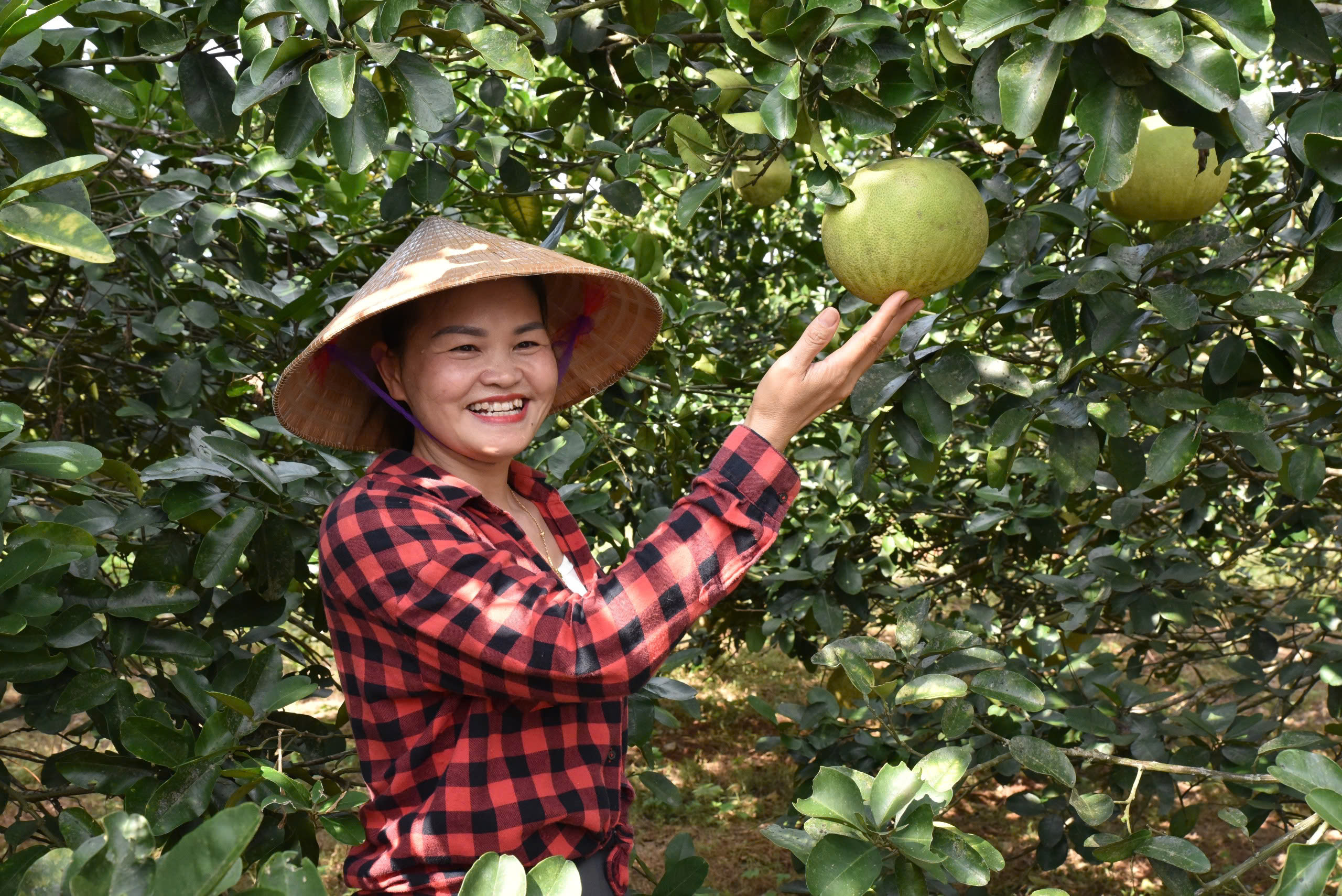
At Phu Quy Fruit and Industrial Crop Research Center, the group learned about the center’s achievements in the selection and conservation of citrus varieties and discussed sustainable soil and nutrient management techniques grounded in agroecological principles—such as intercropping, organic mulching, cover cropping, and the use of locally adapted plant varieties. Participants also observed on-farm demonstration models that have proven effective in maintaining productivity, conserving resources, and protecting soil ecosystems.
-
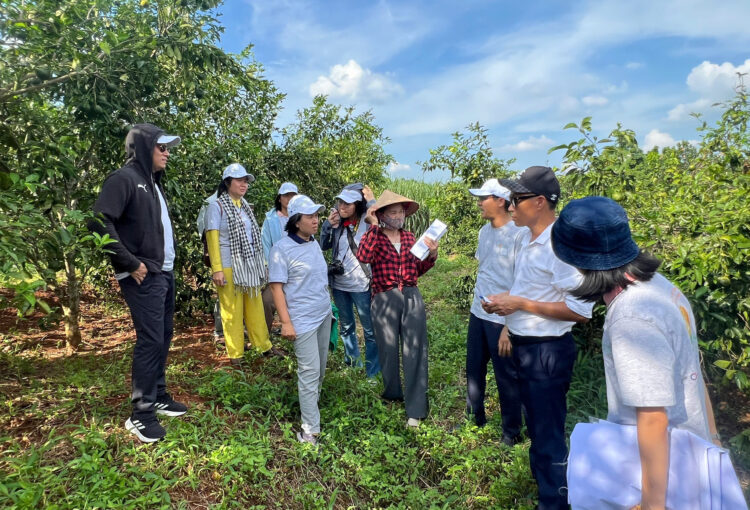
- Learning visit at the Phu Quy Fruit and Industrial Crop Research Center
-
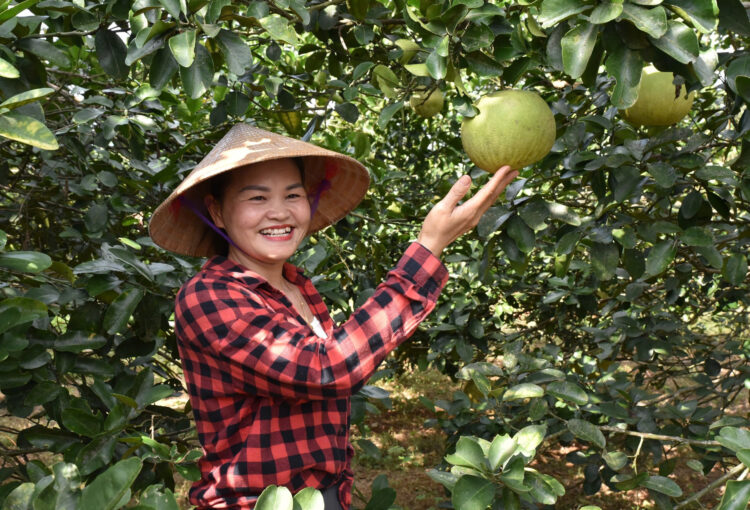
- Visiting the citrus conservation area of the Phu Quy Fruit and Industrial Crop Research Center (2)
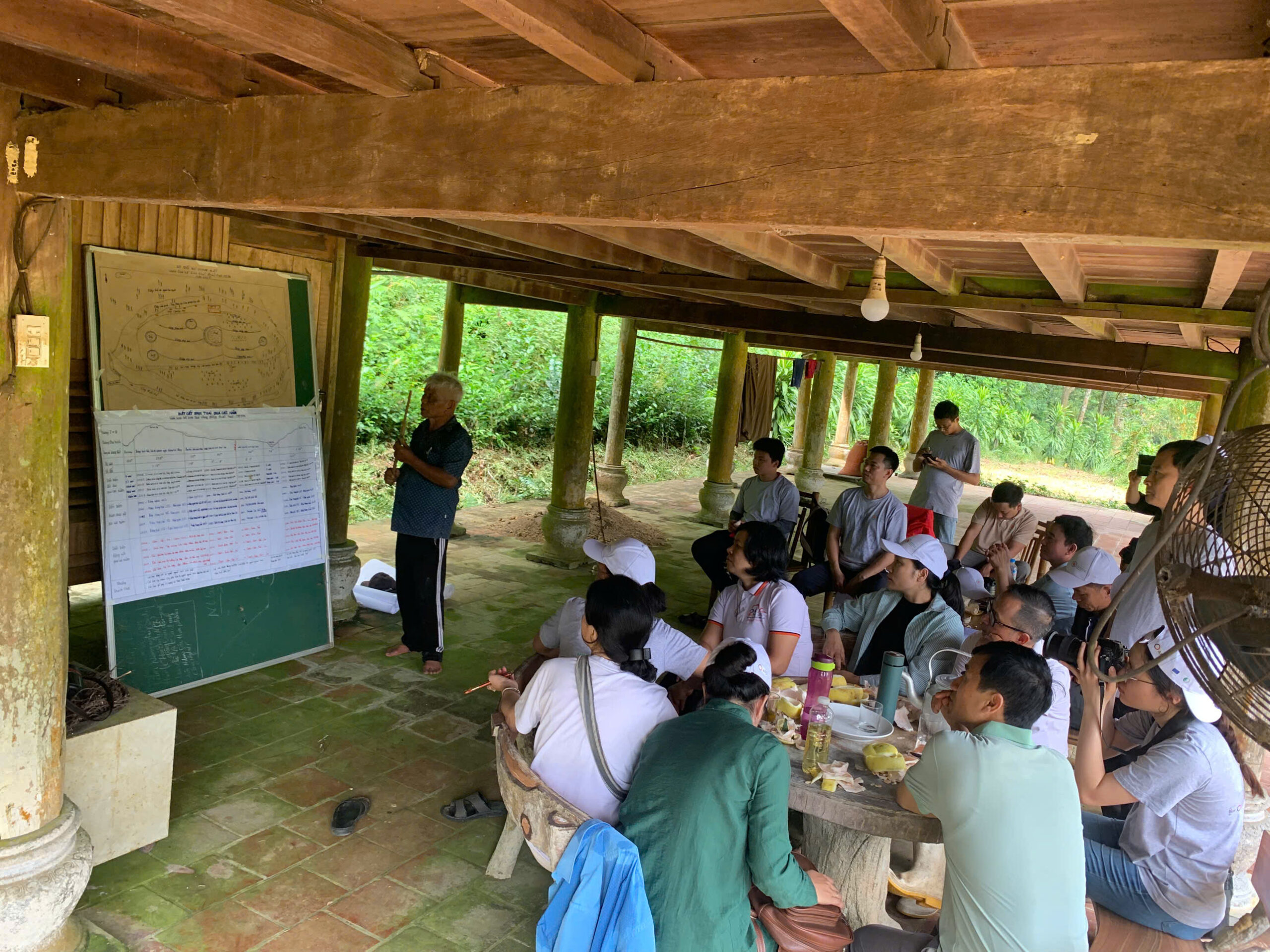
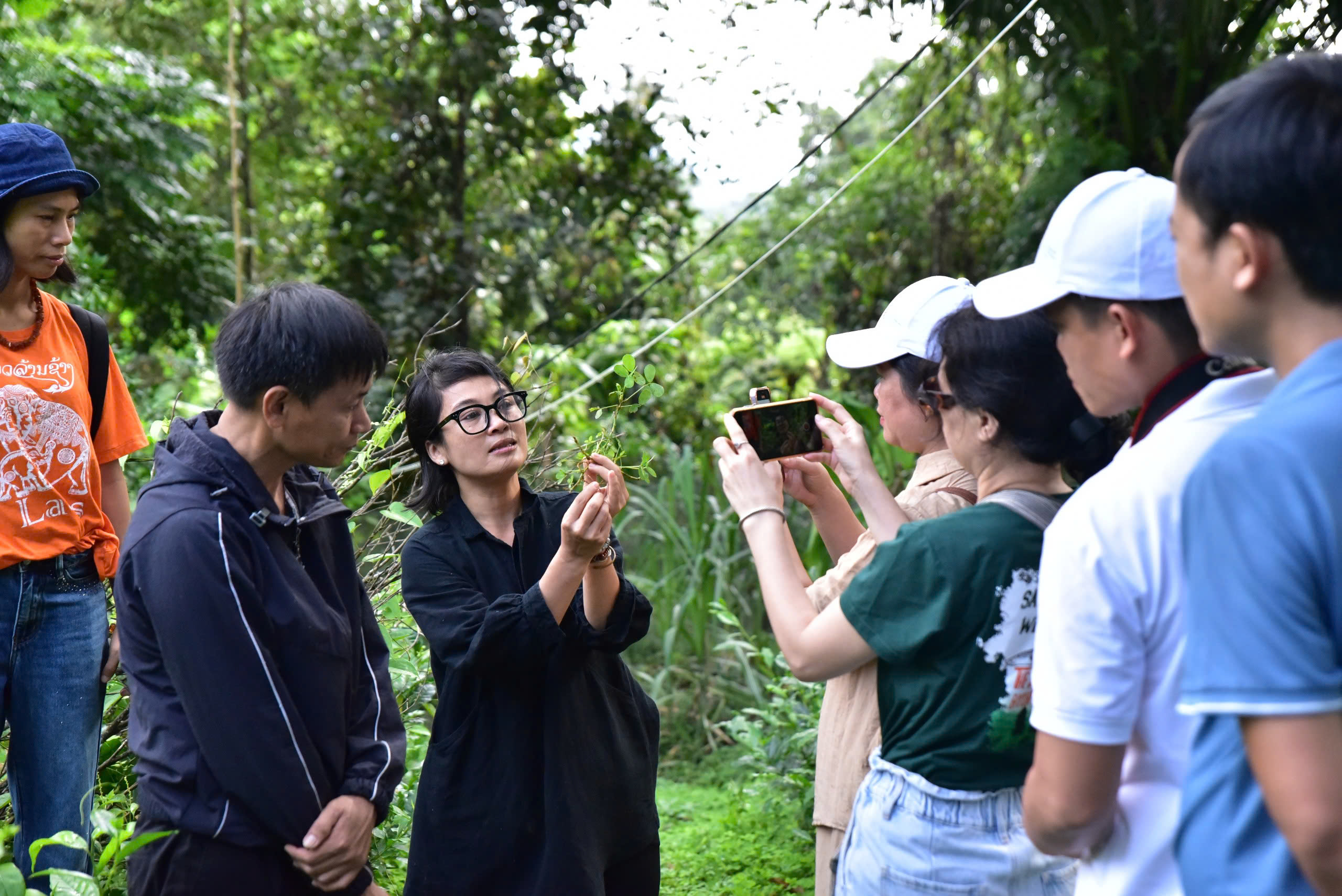
At HEPA, participants explored the site’s distinctive approach to forest restoration and land management based on the philosophy of “Nurturing Nature”. This philosophy rests on three core values: respecting ecosystem uniqueness, embracing biodiversity, and valuing indigenous and local knowledge systems. Over the past two decades, by placing nature at the center and practicing minimal intervention, HEPA has successfully increased forest cover from 39% to 99%. Alongside ecological recovery, HEPA has developed integrated farming models that link conservation with community livelihoods, helping surrounding communities sustain stable and environmentally responsible livelihoods.
-

- Visiting the Giac Ngo Gareden, HEPA
-
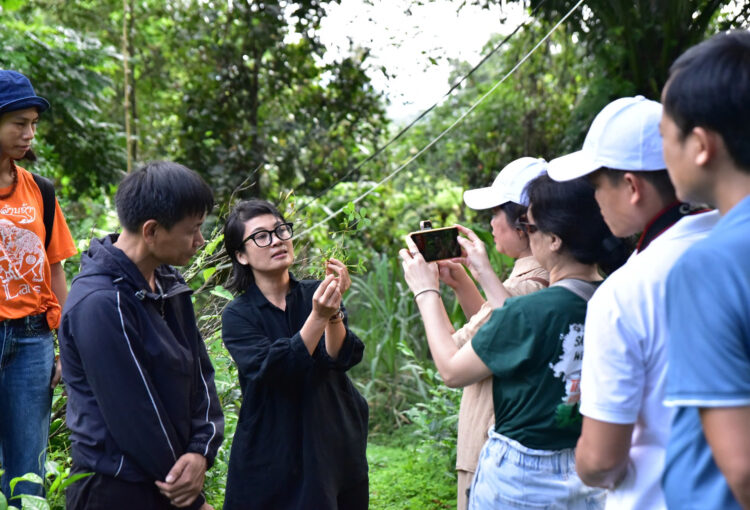
- Exploring ecological practices at the Huyen Vi Spiritual Garden, HEPA (2)
For many participants, the visit was not only a chance to learn from real-life agroecological models but also a space to reconnect and build new partnerships across the network. Ms. Tran Thi Linh Nham, from the Green Future Agricultural Service Cooperative, shared, “As a member of ALiSEA for less than a year, we’ve already learned and shared so much valuable knowledge with other organizations and individuals. This has been incredibly meaningful for cooperatives like ours, working in agroecological farming. Through this field visit, we not only learned theory but also saw effective models in practice—drawing lessons that we can apply directly in our own context. This trip has been a source of inspiration and knowledge to keep us motivated in advancing agroecology and creating products that deliver economic, social, and environmental benefits.”
The participation of journalists also played an important role in spreading agroecological knowledge to a wider public. Mr. Ha Van Khai, from the Journal of Green Economy and Business, reflected, “For me as a journalist, this visit was extremely valuable. It deepened my understanding of the philosophy and on-the-ground realities of agroecology, which will help me communicate these ideas and models to the public and inspire wider adoption.”
The field visit was organized with financial support from the French Development Agency (AFD), the European Union (EU), and the French Global Environment Facility (FFEM). This activity forms part of ALiSEA’s ongoing efforts to foster learning exchanges, strengthen partnerships, and scale up agroecological practices throughout Southeast Asia.