



National Exchange Visit on “Conservation Agriculture (CA) and Circular Economy”
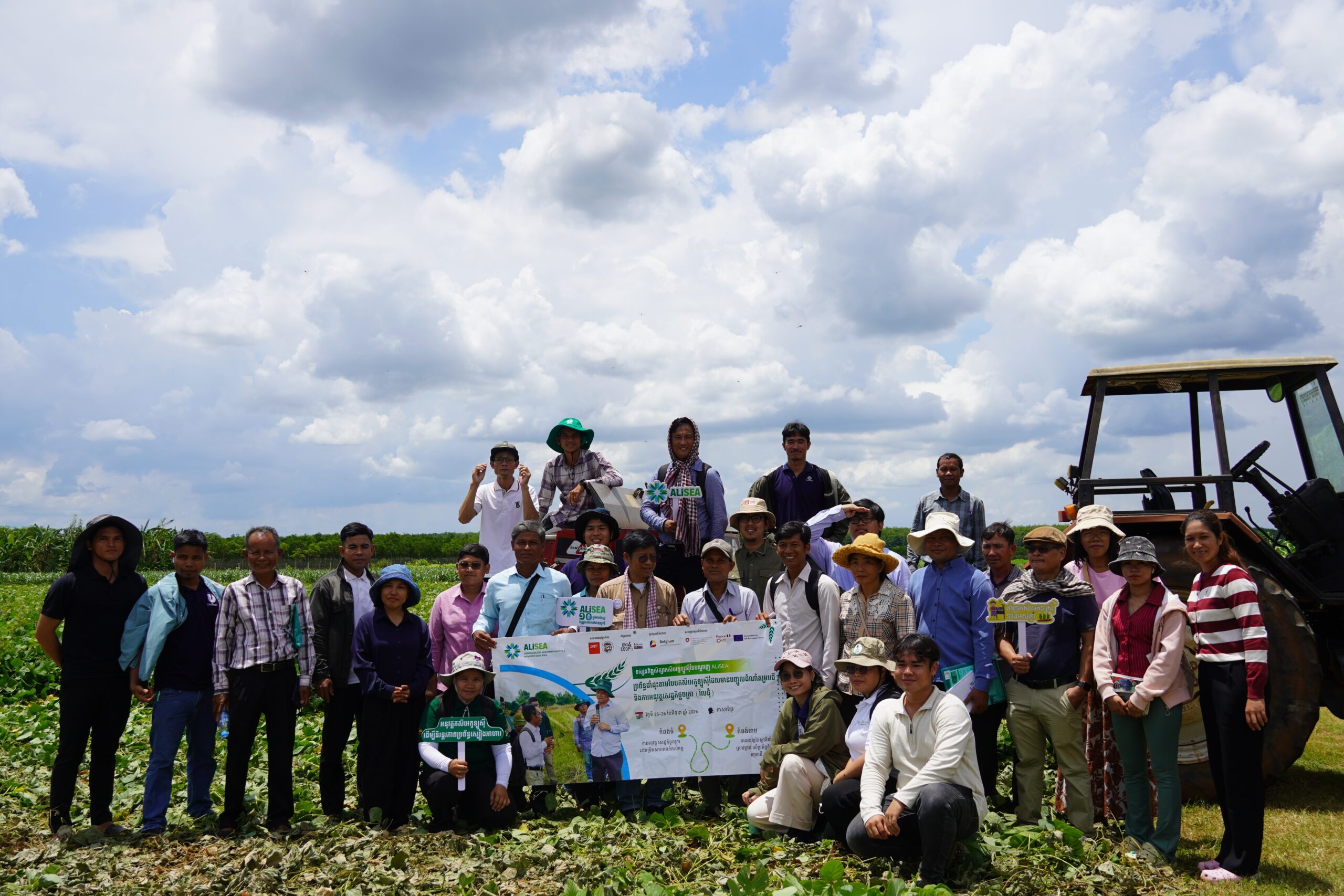
ALiSEA in Cambodia organized a two-day agroecology study tour for members of the ALiSEA network under the theme “Conservation Agriculture (CA) and Circular Economy.” The study tour took place on 25–26 June 2026, bringing participants to the CARDEC Research Center in Kampong Cham Province, an agricultural cooperative, and farming sites in Kampong Thom Province.
The study tour aimed to strengthen knowledge sharing and practical learning among ALiSEA members by connecting research, field implementation, and farmers’ experiences. A total of 47 participants, including 17 women, joined the visit, including technical staff from ALiSEA member organizations and their model farmers.
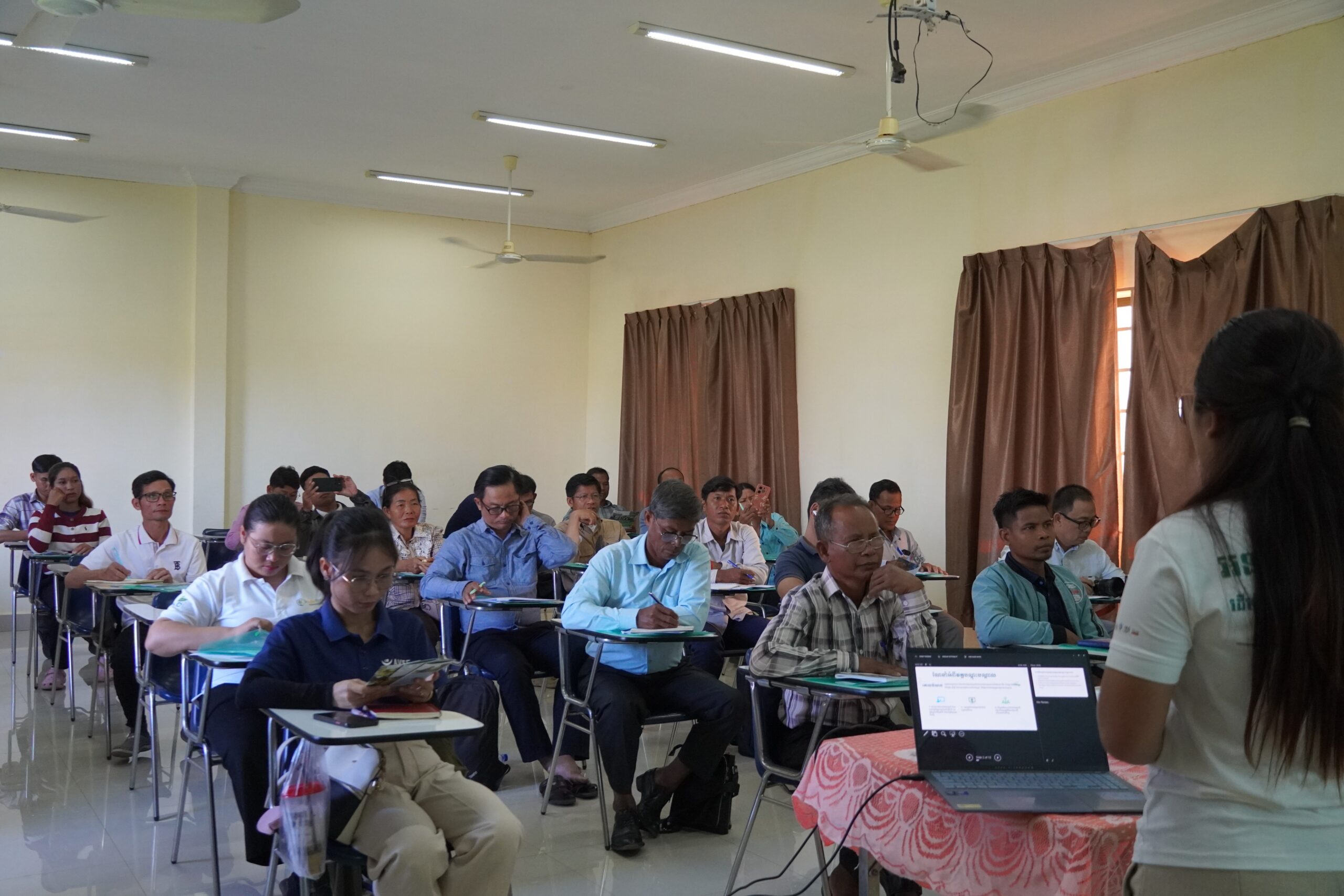
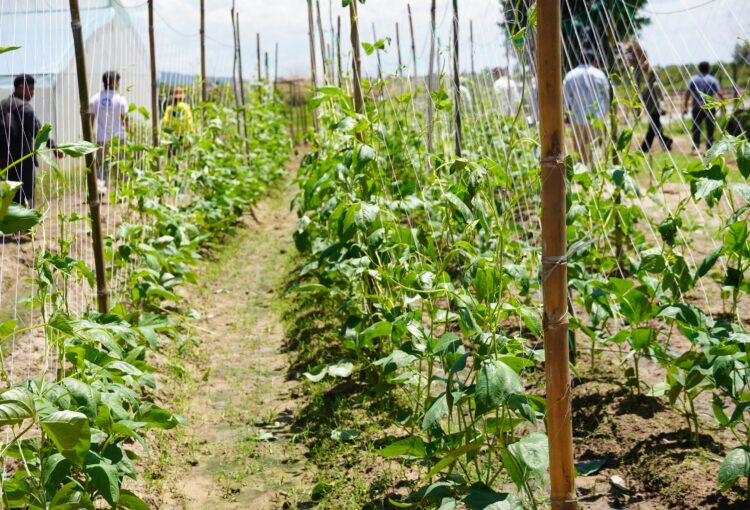
Through a combination of technical sessions, field observations, and hands-on activities, participants gained practical knowledge and experiences on how agroecological approaches can improve soil fertility, strengthen farming systems, and create new opportunities for sustainable agricultural production. The learning activities focused on the integration of cover crops, sustainable land management approaches, and circular economy practices to improve farming systems while promoting environmental sustainability and resource efficiency.
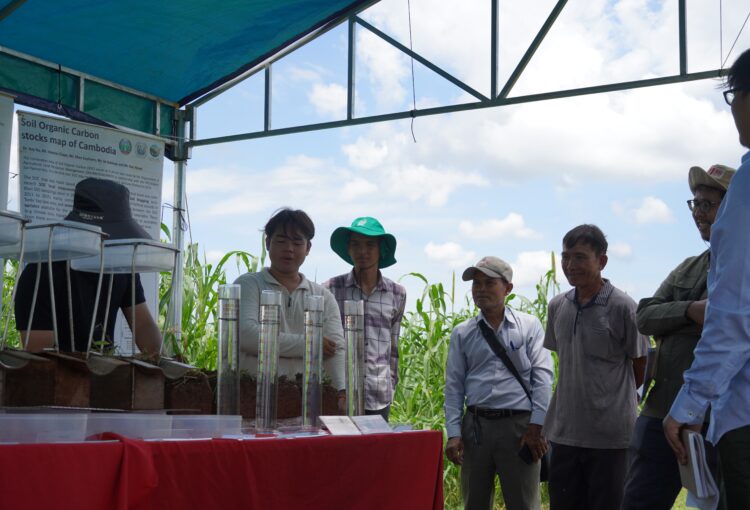
During the first field visit, participants visited existing cover cropping systems and observed practical soil health management approaches implemented by researchers. Participants explored how cover cropping practices are applied across different farming systems and how farmers can select suitable cover crop species based on local conditions, cropping systems, and production objectives.
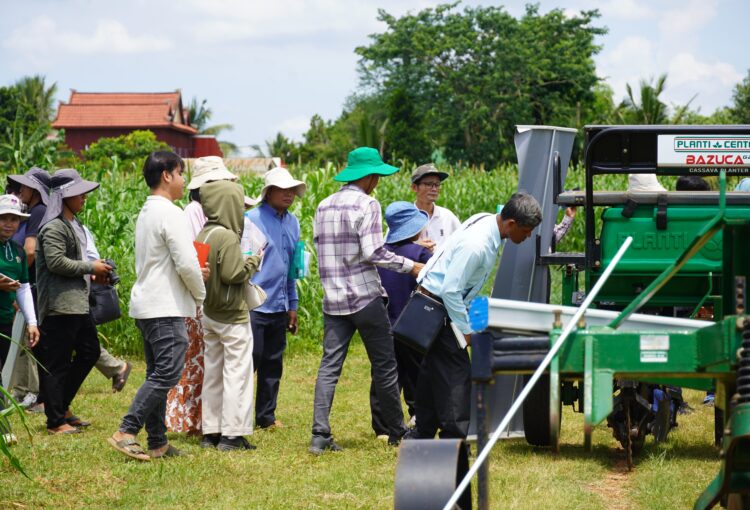
The second learning theme explored how agricultural cooperatives can support agroecological production through circular economy approaches. Participants learned about different business models that promote sustainable agroecological products while creating value from available resources and reducing waste within farming systems.
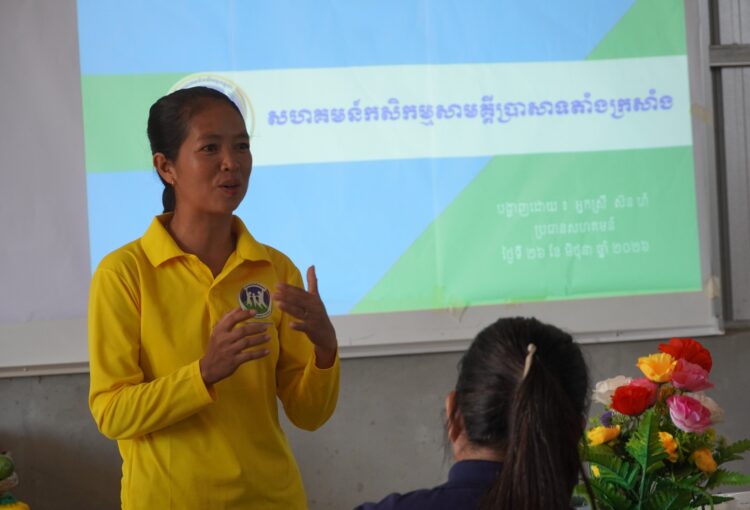
Beyond technical knowledge and skills, the study tour highlighted the important connections between research, community-level action, and farmers’ innovation. By bringing together researchers, practitioners, and farmers, the event created a valuable platform for collaboration, reflection, and the sharing of practical solutions to advance agroecology in Cambodia.
This meaningful learning initiative was made possible through the financial support of the PArTNER Project of Uni4Coop and the Agroecology Promotion Program (APP) of GRET, contributing to continued efforts to promote sustainable agricultural practices and strengthen the agroecology movement.