


ALiSEA Hosts Agroecology Training for Members in Battambang
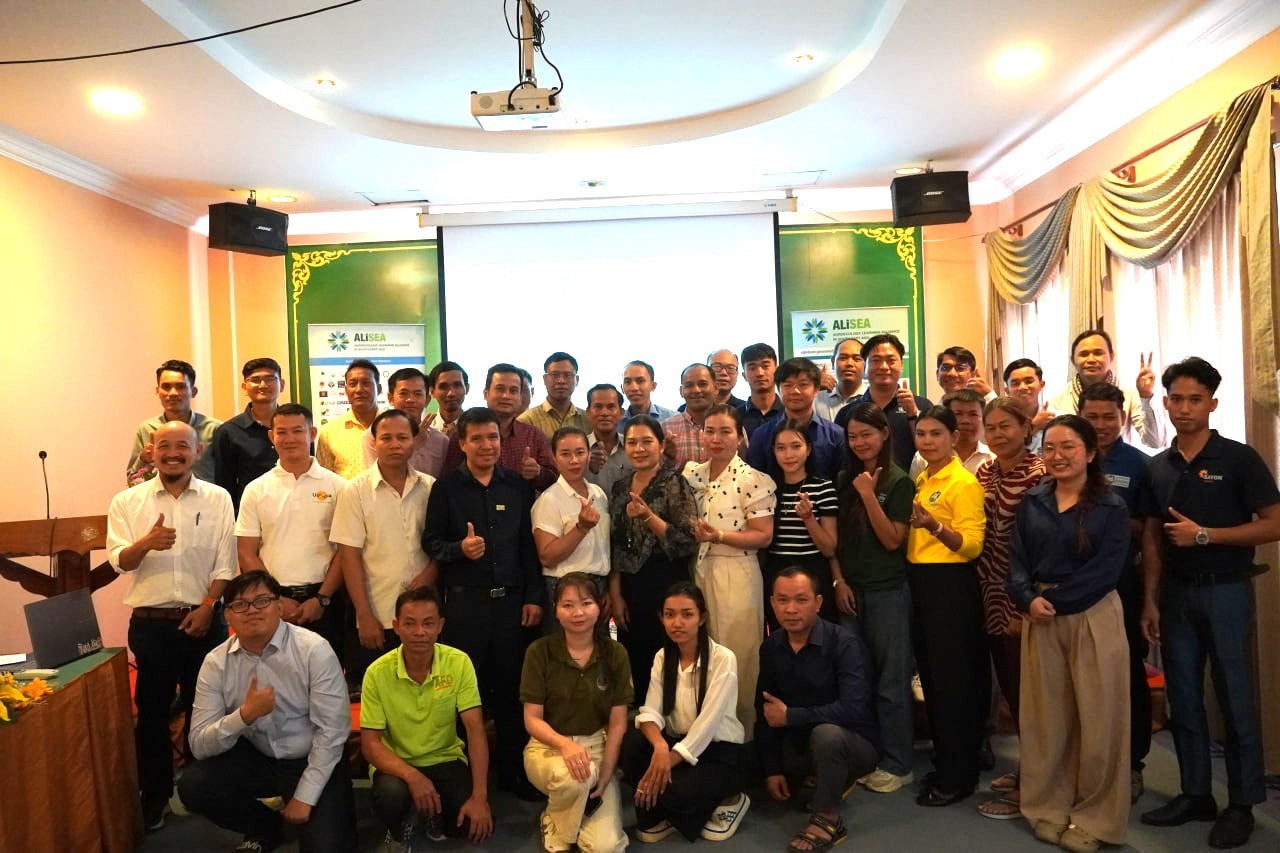
The ALiSEA Network successfully organized a two-day training program on the topic of “Fundamentals of Agroecology” from April 29 to 30, 2026, in Battambang Province. The training brought together 48 participants, including 14 women, representing 21 member organizations from across the ALiSEA network.
The training was designed for ALiSEA members with the aim of strengthening participants’ understanding of agroecology foundations and ALiSEA’s role in promoting agroecology in Southeast Asia.
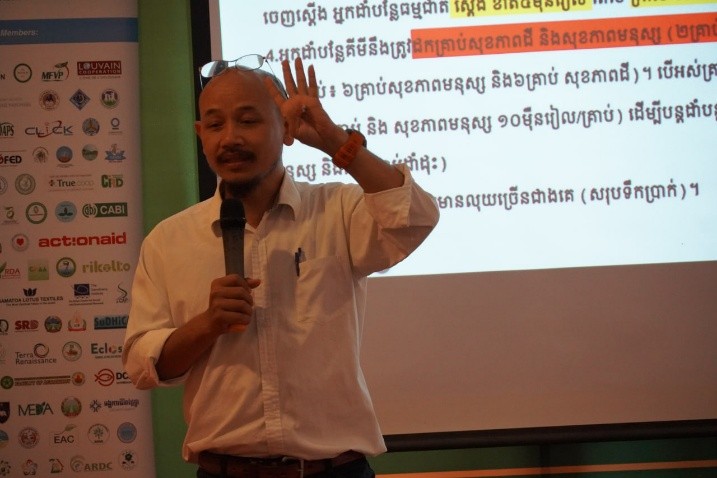
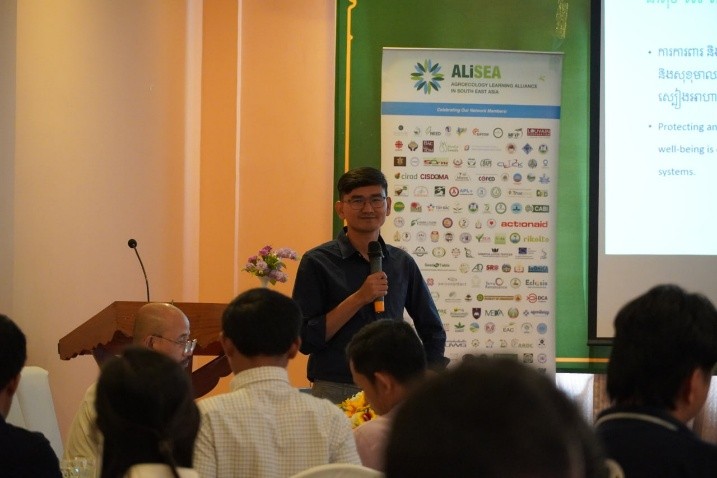
Participants actively engaged in interactive learning sessions, group discussions, and hands-on field activities designed to deepen their knowledge and encourage collaboration among network members.
Interactive Learning and Knowledge Exchange
One of the highlights of the training was an energetic and interactive game-based session introducing agroecology concepts through a game board exercise. Participants worked together in groups to explore the connections between ALiSEA, agroecological practices, and food systems.
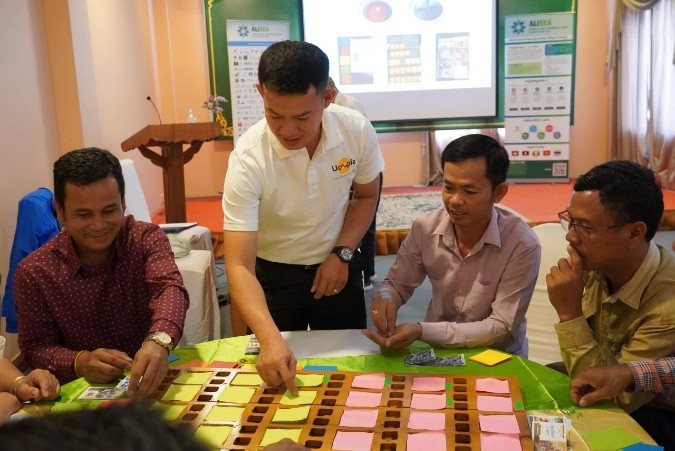
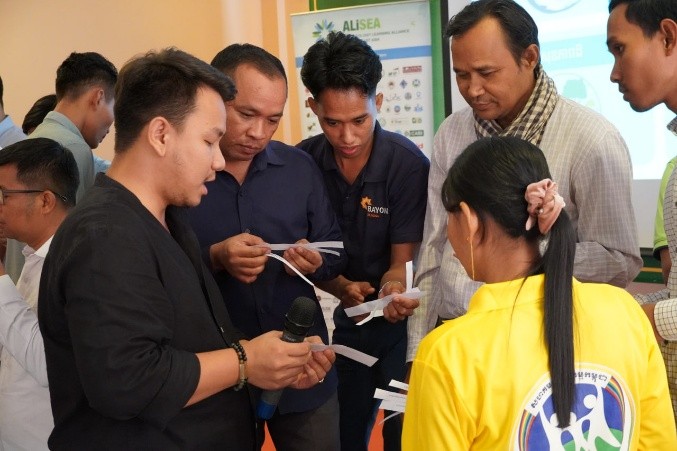
Additionally, the important modules (topics) were provided:
- An introduction to the ALiSEA Network was presented through a website presentation. Aiming to introduce the history, governance, visions, missions, and core activities of ALiSEA as well as the knowledge HUB. The experts were introduced in order to convince the participants to register and promote themselves on the ALiSEA website.
- Introduction to agroecology and its relationship with food systems.
- Understanding the 10 elements and 13 principles of agroecology.
- Exploring ASEAN agroecology guidelines, particularly in the areas of capacity building and agrifood value chains.
The training also created space for participants to exchange experiences and reflect on local agricultural realities.
Field Learning and Hands-On Practice
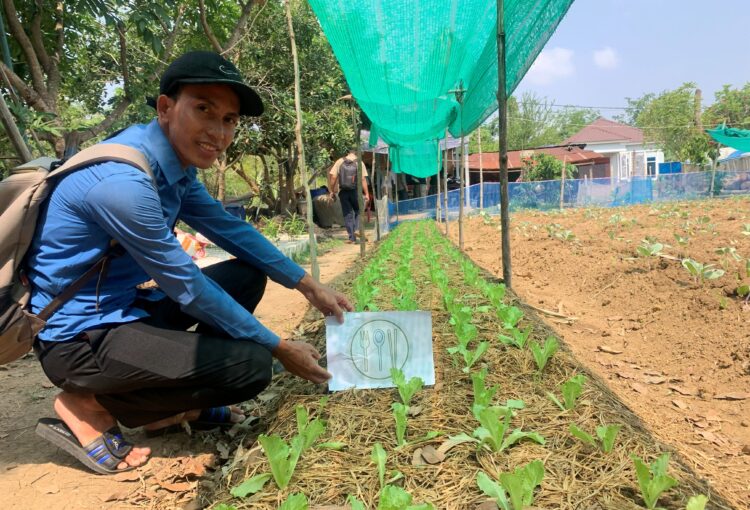
A major component of the program was field-based learning and practical application of agroecological techniques. Participants visited agroecological farms and took part in practical exercises, including soil health management techniques and crop protection practices by producing the bio-pesticides, SBN liquid fertilizer, and Bokashi fertilizer making for high-quality compost production.
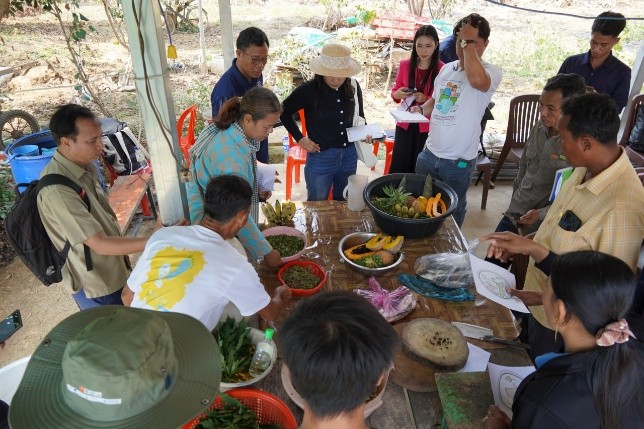
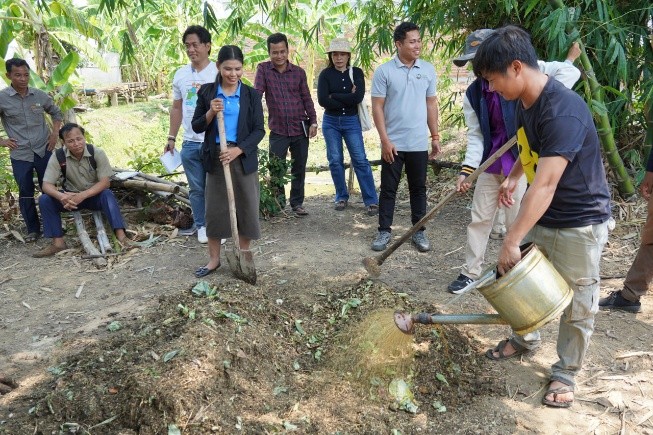
During the field activities, participants were challenged to identify agroecological practices aligned with the 10 elements of agroecology by documenting observations through photographs and group reflections. This exercise allowed participants to apply the knowledge gained during classroom sessions and critically observe agroecological practices in real farming environments.
Learning from Integrated Farming Systems
The second farm visit provided participants with practical insights into integrated farming systems. Participants explored diversified agricultural practices, including:
- Integrated livestock and crop farming involving cows, crickets, ants, and vegetables.
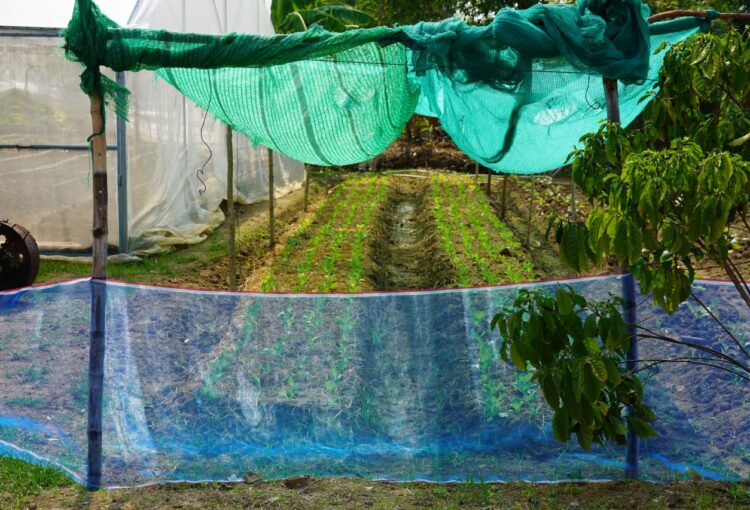
- Vegetable cultivation in net houses.
- Cricket and ant farming systems.
The farm tours offered valuable opportunities to observe innovative and resilient farming models that support biodiversity, sustainability, and local livelihoods.